


Statement diamonds, sculptural brooches, layered gemstones, and expressive menswear jewellery emerged as the defining visual language of luxury at Met Gala 2026, discovers Khursheed Mistry.
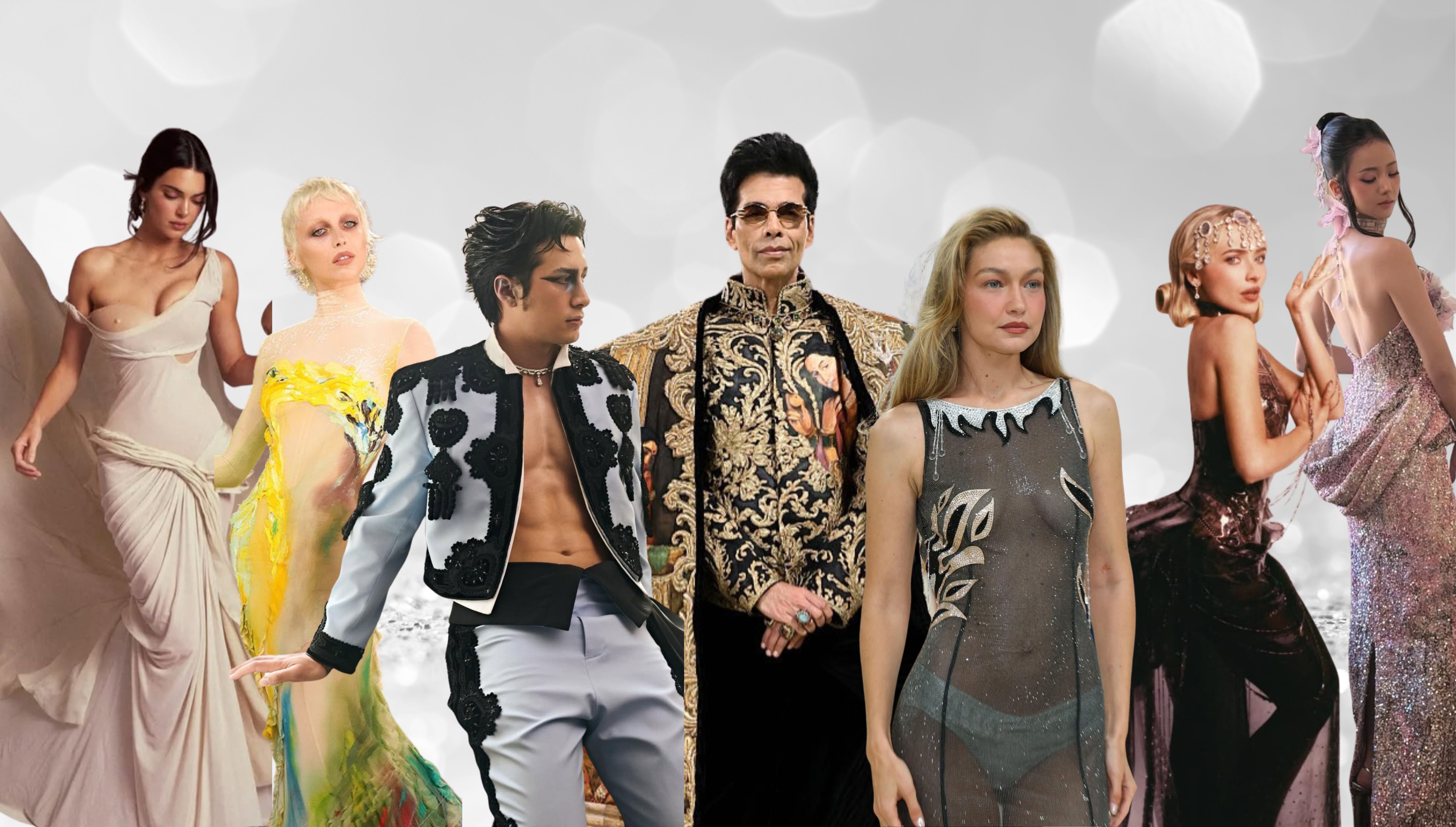
Met Gala 2026 marked a defining moment for high jewellery. After years of being dominated by restraint and understated luxury, this year’s red carpet embraced visibility, artistry, and ornamentation with renewed confidence. Diamonds appeared layered and architectural, coloured gemstones returned prominently, and brooches re-emerged as one of the evening’s strongest jewellery categories.
Significantly, statement jewellery was no longer confined to womenswear. Men also embraced diamond brooches, gemstone lapel pieces, layered chains, and decorative high jewellery accessories, reflecting a broader evolution in how luxury jewellery is being styled globally.
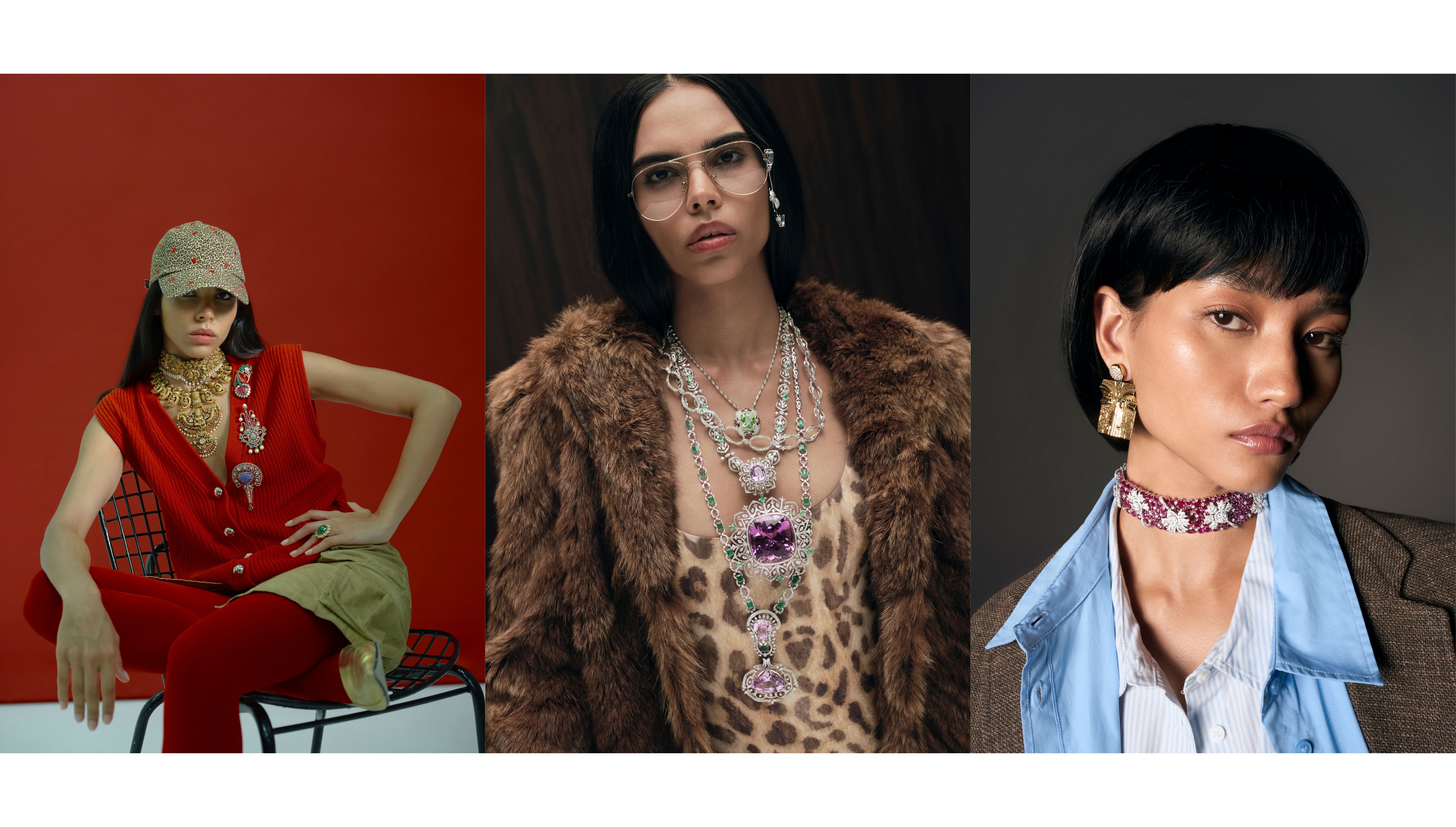
This year’s Met Gala made one thing immediately evident: jewellery was no longer functioning as a finishing detail to couture. Instead, it was the visual centrepiece around which many of the evening’s strongest looks were constructed. Layered rivière necklaces, oversized diamond collars, elongated earrings, and gemstone-studded cuffs dominated the carpet, often carrying greater visual impact than the garments themselves.
The evening’s “Fashion Is Art” dress code encouraged attendees to approach dressing as artistic expression, rather than traditional formalwear. High jewellery, naturally, became central to that interpretation, offering a platform for craftsmanship, individuality, and visual drama. Yet the evening’s maximalism rarely felt excessive. Jewellery was layered thoughtfully, proportions remained controlled, and the strongest looks balanced theatricality with refinement.
That mood reflects a broader evolution within luxury culture. Consumers are increasingly drawn to jewellery that communicates personality, artistic confidence, and emotional presence. High jewellery is no longer expected to remain understated; it is once again being used to create presence.
One of the distinctive jewellery directions was the architectural use of diamonds. Traditional solitaire-led styling gave way to compositions built around structure, layering, and movement. Neckpieces extended dramatically across shoulders and collarbones, while chokers were paired with cascading necklaces to create depth and dimension. Earrings adopted elongated silhouettes that transformed jewellery into wearable art rather than ornamentation alone.
Brooches also staged a notable return. Once associated largely with vintage glamour, they reappeared in contemporary forms across tailored jackets, gowns, lapels, gloves, and draped silhouettes. Their renewed prominence reflects growing interest in jewellery categories that combine heritage references with styling versatility and stronger artistic identity.
Coloured gemstones reinforced the evening’s maximalist mood. Emeralds, rubies, sapphires, and fancy-coloured diamonds introduced richness and contrast to predominantly white-diamond styling. Many pieces drew from archival influences while remaining distinctly contemporary in execution. The evening also demonstrated how high jewellery is increasingly positioned as collectable design rather than decorative luxury alone.
Perhaps the most commercially significant development was the prominence of statement jewellery within menswear. Men embraced diamond brooches, gemstone lapel jewellery, layered chains, decorative pins, and high jewellery accessories with confidence. Jewellery in menswear was no longer limited to watches or restrained accents; it became integral to the styling narrative itself.
The “Fashion Is Art” dress code created space for more expressive interpretations of tailoring and adornment, allowing jewellery to integrate naturally into formal menswear silhouettes. Brooches emerged as one of the evening’s strongest crossover categories, appearing across structured jackets and evening tailoring with increasing sophistication. Importantly, the styling remained polished, rather than theatrical. Jewellery was incorporated with restraint and clarity, reinforcing how luxury menswear is evolving towards expressive adornment without abandoning elegance.
For the jewellery industry, this development carries significant implications. Menswear jewellery remains an underdeveloped, but increasingly important luxury category. As red carpet-visibility continues to normalize diamonds and gemstone jewellery within male dressing, categories such as brooches, lapel jewellery, layered chains, and statement accessories are likely to gain stronger commercial traction.
For Indian jewellers, the trend feels particularly relevant. India has historically maintained greater familiarity with ornamental menswear jewellery through ceremonial dressing, royal influences, and occasion-led styling traditions. The growing global acceptance of statement jewellery within menswear reflects an aesthetic language that Indian craftsmanship has long understood.
The influence of the Met Gala extends well beyond celebrity dressing. Red carpet jewellery increasingly shapes bridal aspiration, occasion wear trends, social media aesthetics, and luxury consumer behaviour globally. The renewed prominence of maximalist high jewellery signals more than a passing styling preference; it reflects changing attitudes towards luxury itself.
In today’s image-driven culture, jewellery with recognisable silhouettes, craftsmanship depth, and emotional resonance performs particularly strongly. This partly explains the growing relevance of layered diamonds, sculptural jewellery, statement brooches, and coloured gemstone compositions within contemporary luxury styling.
For Indian retailers and designers, the implications are especially meaningful. Indian jewellery traditions have long embraced visible ornamentation, layering, coloured gemstones, and craftsmanship-intensive design. As international luxury aesthetics move back towards expressive jewellery, Indian design sensibilities appear increasingly aligned with global consumer preferences.
Met Gala 2026 ultimately reinforced one clear industry message: quiet luxury no longer dominates the cultural mood with the same authority. In its place is a more expressive vision of luxury rooted in individuality, visibility, craftsmanship, and artistic confidence.



Be the first to comment