


IIJS Bharat Premiere 2026 brought India’s jewellery trade together in Mumbai from August 5 to 10, with sourcing, exports, technology and changing consumer demand shaping business discussions.
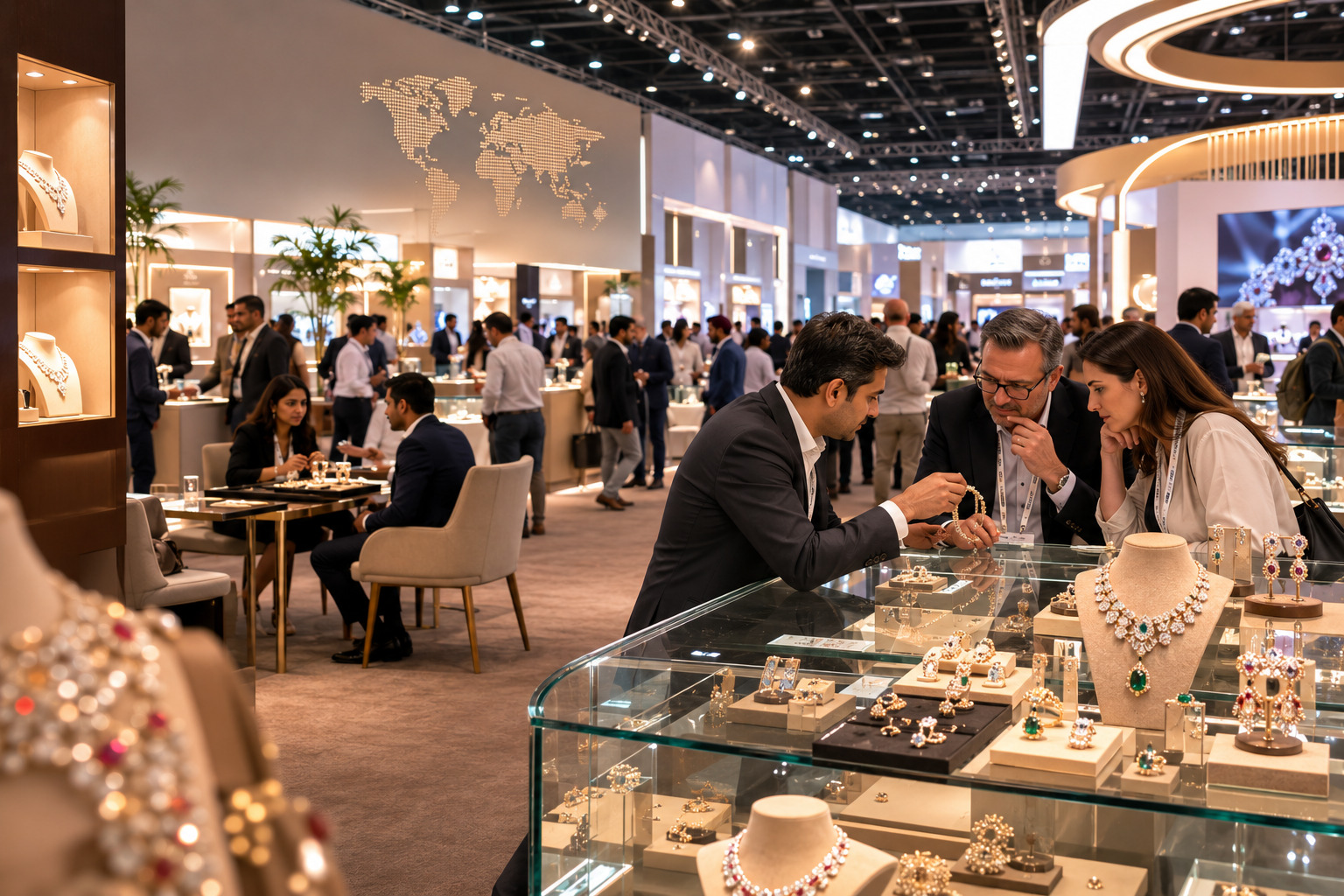
The 42nd edition of IIJS Bharat Premiere brought manufacturers, retailers, exporters and international buyers together across the Jio World Convention Centre and Bombay Exhibition Centre in Mumbai from August 5 to 9. The exhibition featured more than 2,100 exhibitors across over 3,600 stalls and 135,000 square metres of exhibition space. The show was expected to attract more than 50,000 trade visitors and buyers from more than 60 countries.
The show opened against a changing global trade environment, with shifting supply chains and new export markets forming part of the wider business agenda. The newsletters also highlighted trade agreements and policy developments relevant to India’s jewellery exporters.
The proposed 15-year income-tax exemption for eligible foreign rough diamond traders operating through Special Notified Zones was discussed as a measure addressing a long-standing industry demand. GJEPC also outlined its ambition to increase India’s jewellery exports from around $32 billion towards a $100-billion target, with finished jewellery identified as a key growth segment.
The presence of international delegations and buyers reinforced IIJS Bharat Premiere’s role as a sourcing platform linking Indian manufacturers with overseas markets. The show’s product categories covered diamonds, coloured gemstones, gold jewellery, silver, platinum, laboratory-grown diamonds, loose stones and manufacturing technology.
Product discussions across the show reflected the changing requirements of jewellery retailers. Lightweight jewellery, versatile designs, differentiated collections and products suited to multiple occasions emerged as recurring themes.
Manufacturers also focused on helping retailers address changing consumer preferences and inventory requirements. The emphasis was not limited to design, with pricing, product differentiation and commercial positioning forming part of the discussions.
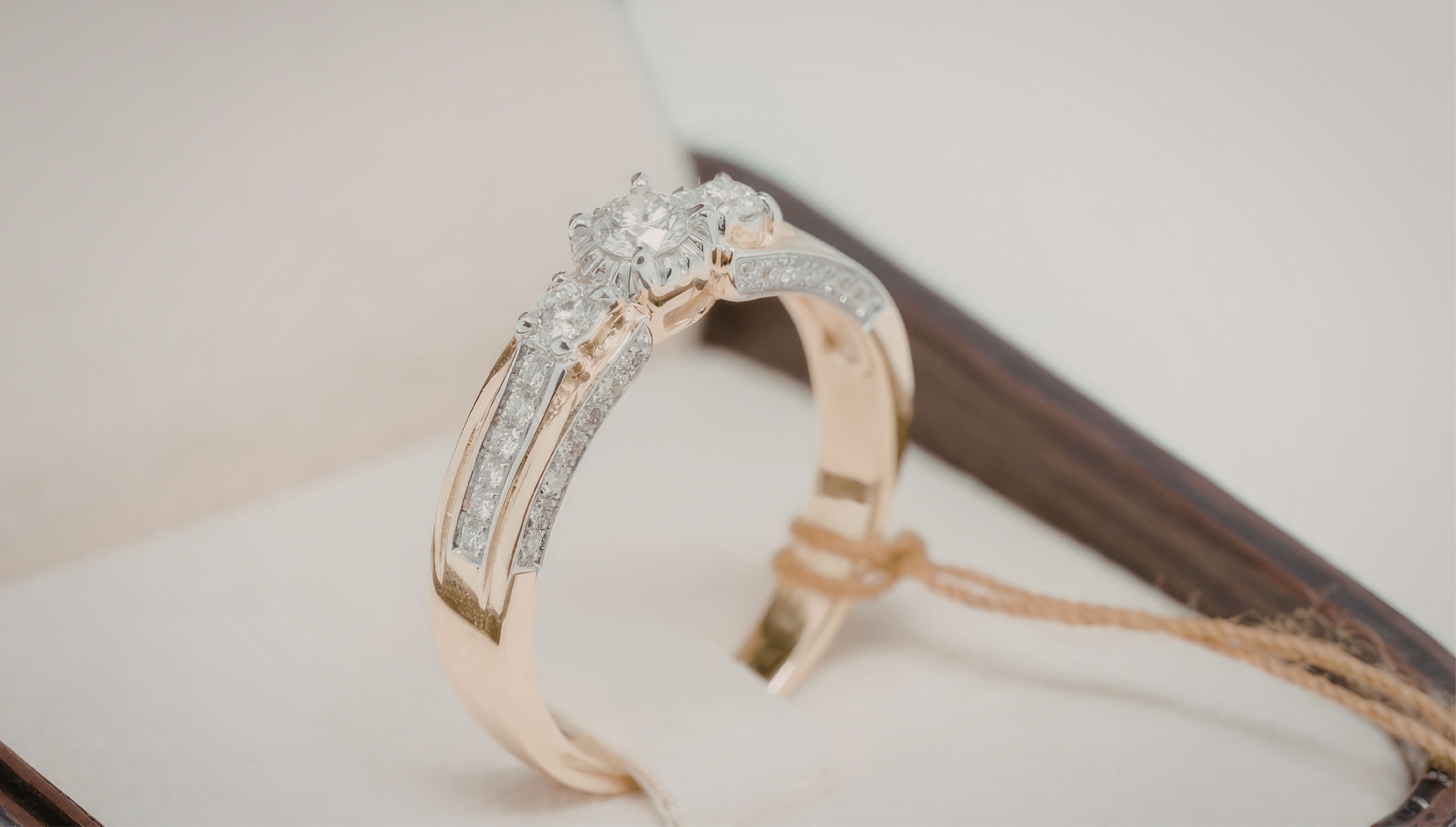
The trend was particularly visible in bridal jewellery, where the newsletters highlighted demand for layering, modular pieces, contemporary polki, lightweight diamond and gemstone jewellery, customisation and designs that can be worn beyond the wedding occasion.
Technology and customer engagement were also key subjects during the show. An Innov8 Trade Talk featuring Rajesh Kalyanaraman of Kalyan Jewellers and Ananthanarayanan Hariharan of Damas Jewellery examined the changing retail environment.
Kalyanaraman said digital and physical retail should not be viewed as competing channels, while Hariharan discussed clarity, curiosity and craft as principles supporting sustainable business development.
The discussions reflected the growing importance of integrating digital tools with physical retail rather than treating online and offline operations as separate business models.
Manufacturing technology occupied a significant part of the show’s business agenda. Testing, melting, XRF, rolling, laser, casting, refining and automation were identified as technologies supporting productivity and quality control.
Retailers were also advised to consider equipment such as laboratory-grown diamond testers, photography machines, HUID readers and gold testers. For manufacturers, gold melting machines, XRF equipment and rolling machines were highlighted as essential production tools.
Automation was linked directly to labour availability. Dhyey Mehta of Semsons Tech said, “Automation is a key solution for labour shortages,” particularly in labour-intensive processes such as wax setting.
The show’s design conversations pointed to a consumer increasingly looking for individuality while retaining connections with traditional jewellery. Demand was identified for lightweight jewellery, statement solitaires, stackable pieces, versatile collections and contemporary interpretations of classic designs.
Manufacturers are responding by combining traditional craftsmanship with technology and modern production systems. SwarnShilp Chains & Jewellers highlighted CNC-supported processes, lightweight engineering and quality control, while noting that skilled artisans continue to play a role in defining jewellery character.
Consumer confidence and transparency featured across the show’s knowledge and accreditation initiatives. GIA discussions focused on education, science, provenance and technology as the jewellery market becomes more diverse, with natural diamonds, laboratory-grown diamonds, coloured gemstones and pearls all forming part of the expanding marketplace.
The Indian Association for Gold Excellence and Standards recognised jewellery businesses that completed its assessment and accreditation process. The initiative focused on quality, transparency, ethical business practices and consumer confidence.
Across the five-day exhibition, IIJS Bharat Premiere 2026 reflected a jewellery trade balancing product development with broader business priorities. Export growth, retail transformation, manufacturing efficiency, technology adoption, consumer trust and changing product preferences emerged as connected themes.
For manufacturers and retailers, the show provided a platform to evaluate new collections, production capabilities and sourcing opportunities ahead of the festive and wedding buying season. The exhibition’s scale and international participation also underlined the increasing role of Indian jewellery businesses in global sourcing and supply chains.




Be the first to comment