


As multiple jewellery trade shows run consecutively across India, exhibitors face repeat buyers, cautious spending, and shorter attention spans, prompting shifts in merchandizing strategies and booth engagement approaches, discovers Dhwani Rathod

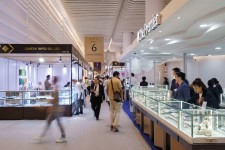
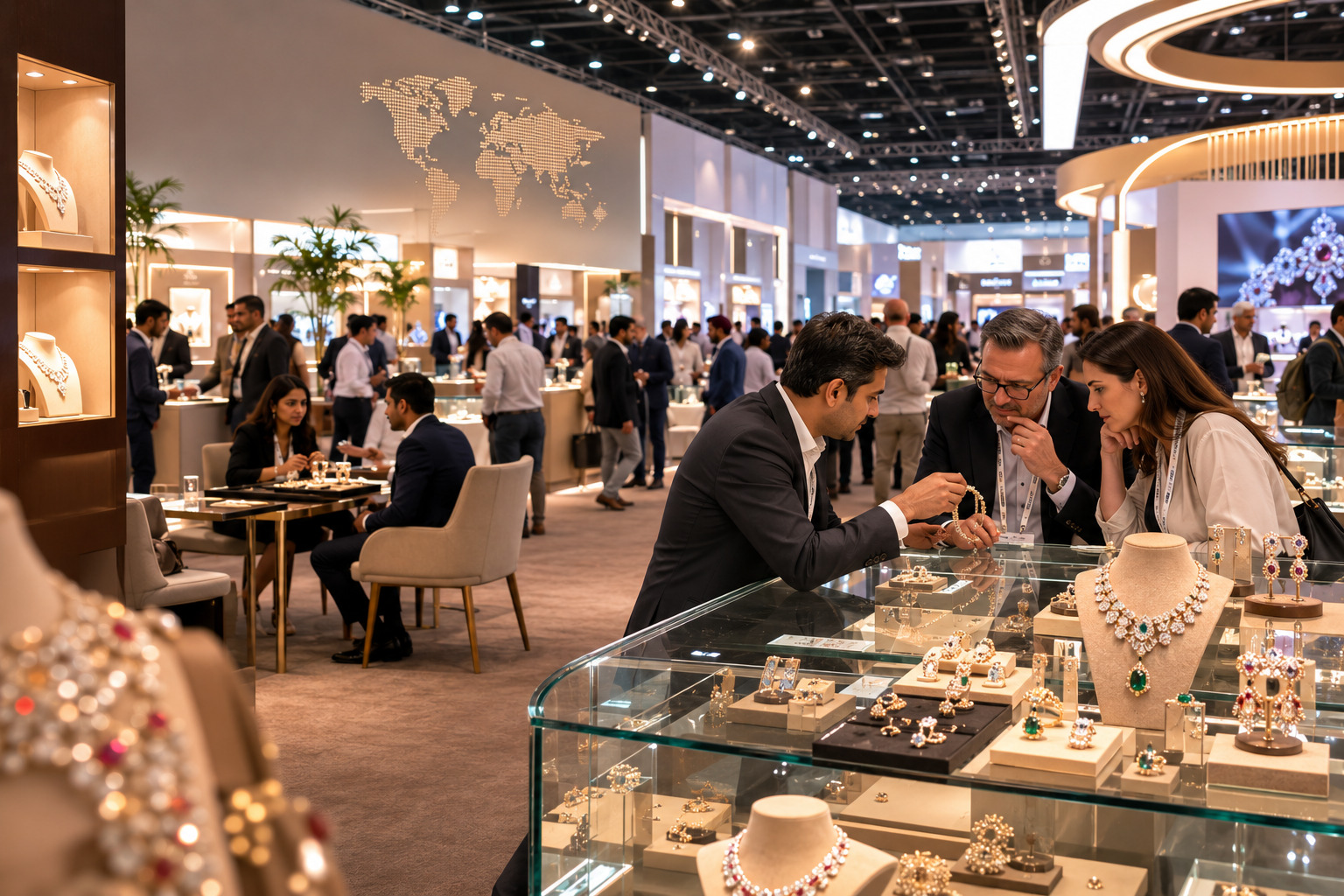
The increasing frequency of jewellery trade shows across India — spanning both regional and national formats — is reshaping how exhibitors approach selling, engagement, and product planning. With packed calendars and overlapping buyer attendance, many brands are now confronting a more selective, time-constrained customer, prompting a strategic reset across the board.
One of the most visible shifts across consecutive shows is the growing overlap in buyer profiles. Exhibitors are encountering familiar faces across cities and formats, leading to more measured purchasing decisions.
“Buyer fatigue is definitely something we are experiencing, and it has intensified due to the current global environment,” says Surbhi Dassani of Dassani Brothers. “However, the show must go on. We believe in always being at our best, and while there may be short pauses, the momentum will return and improve over time,” she adds.
While repeat buyers signal trust and continuity, they are also contributing to longer decision cycles. Dassani notes that brands are now balancing relationships with both existing and new buyers, ensuring engagement remains consistent across touchpoints.
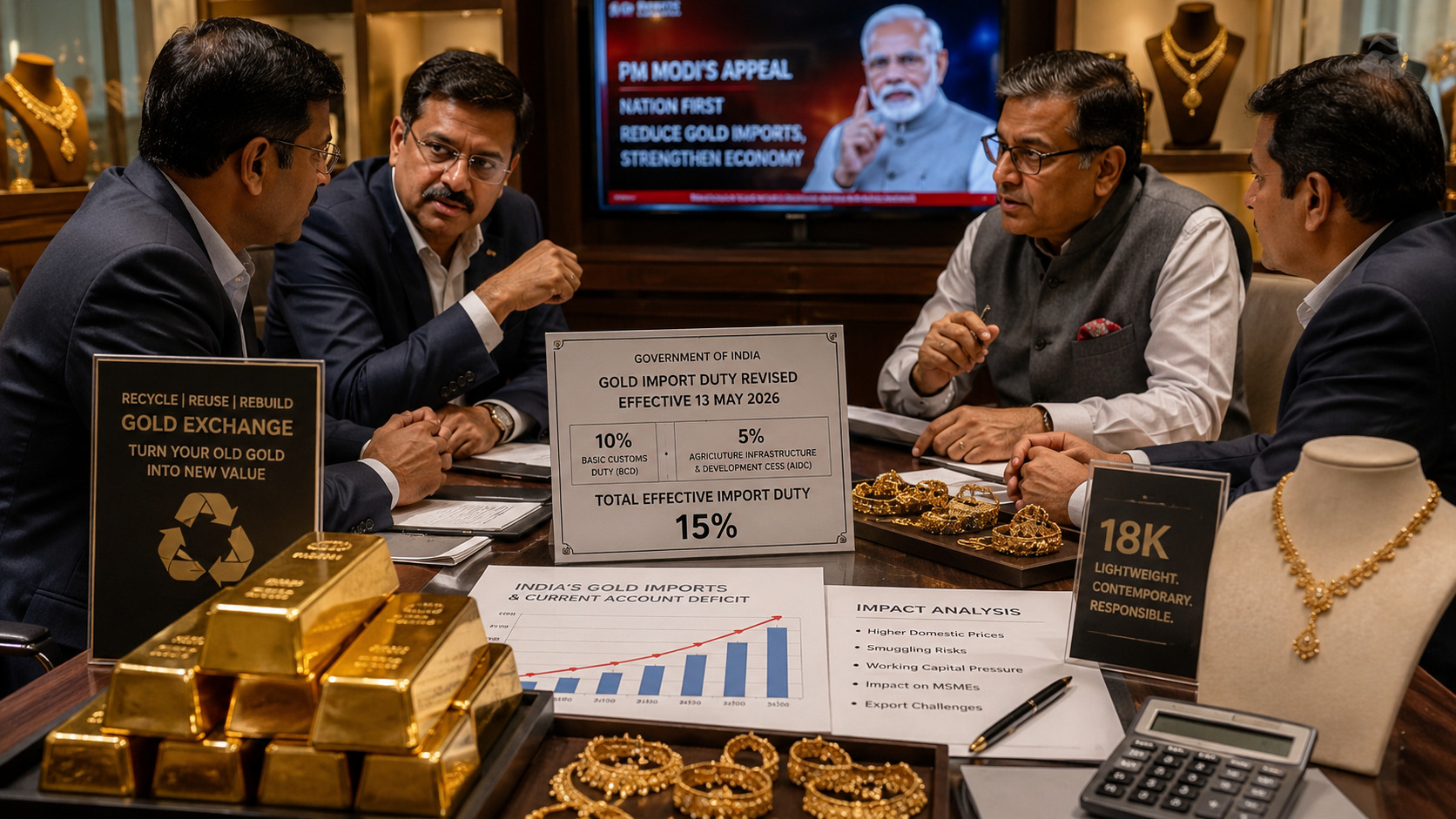
Adding to this cautious sentiment is gold price volatility.
Vikram Jain of Kanakratna Exim explains, “We are clearly seeing a shift toward more conscious buying, rather than frequent purchasing. Buyers are taking more time to make decisions, and purchases are largely need-based — driven by festivals and wedding requirements.”
Striking a different note, Saiyam Mehra of Unique Chains and Jewels, who is also the former chairman of the All india Gem and Jewellery Domestic Council (GJC), says,
“The proliferation of exhibitions reflects the scale and diversity of the Indian jewellery market, rather than a saturation point. With lakhs of jewellers, and thousands of retailers spread across regions, no single show can cater to the entire demand.
“Regional exhibitions are enabling accessibility for smaller retailers who may not travel to metro-based shows, while larger national shows continue to attract top buyers and innovation-led brands. Exhibitions are not necessarily competing for the same audience, but are instead serving different segments of the market.”
To counter shorter attention span and repeat exposure, exhibitors are accelerating their design and merchandising cycles. Dassani highlights a structured approach to innovation: dedicating nearly a month before each show to ideation and R&D. By analyzing seasonal demand and past performance, brands are introducing new concepts and styles in every exhibition.
At the same time, product preferences are evolving in response to both fatigue and pricing pressures. Jain points out a clear shift in buying patterns, saying, “Where earlier, customers might have bought a 70-gram piece, today they are opting for something closer to 40 grams. Even design-led jewellery is now being requested in 14K gold or 18K gold, instead of 22K gold.”
This pivot toward lightweight and lower-carat jewellery is enabling retailers to manage budgets, while still participating in multiple buying cycles across shows.
Beyond design refresh, storytelling has emerged as a key lever to sustain buyer interest in a crowded exhibition landscape. “Jewellery is no longer just about the product — it needs to convey a narrative. Buyers today are seeking versatility and distinctiveness, making it essential for brands to present collections with a clear point of view. Around 70% of our products are aligned with market trends, while 30% focus on design innovation and creative expression — ensuring we stay relevant while still offering something distinctive.”
This mix allows brands to cater to immediate demand, while simultaneously offering something new to capture attention, particularly when buyers are visiting multiple shows in quick succession.
With the attention span shrinking, booth presentation is also undergoing a rethink. Exhibitors are recognizing the need for consistent, yet differentiated, visual identities across shows to stand out in increasingly crowded halls. Dassani says this is an area of renewed focus, with brands aiming to elevate booth design and overall presentation to create a more immersive and memorable experience.
At the same time, physical exhibitions are being complemented by digital channels. Jain notes that a combination of exhibitions, social media, influencer collaborations, and online sales is helping brands maintain continuity with buyers beyond the show floor — an increasingly important factor in sustaining engagement.
Despite differing views on the extent of buyer fatigue, there is broad agreement on one point: buyer behaviour is becoming more selective and value-driven. From faster design refresh cycles and lighter product offerings, to stronger storytelling and enhanced booth experiences, exhibitors are recalibrating their strategies to remain competitive across consecutive shows.
As Jain summarises, “The market is cautious but active. Demand has not disappeared—it has simply become more selective. Adapting to these shifts is key to sustaining growth.”


Be the first to comment