


The trends observed during Akshaya Tritiya 2026 — ranging from the rise of men’s accessories to the adoption of quick-commerce — indicate a market that is successfully blending its deep cultural roots with the demands of a modern, convenience-oriented era, says Dhwani Rathod.
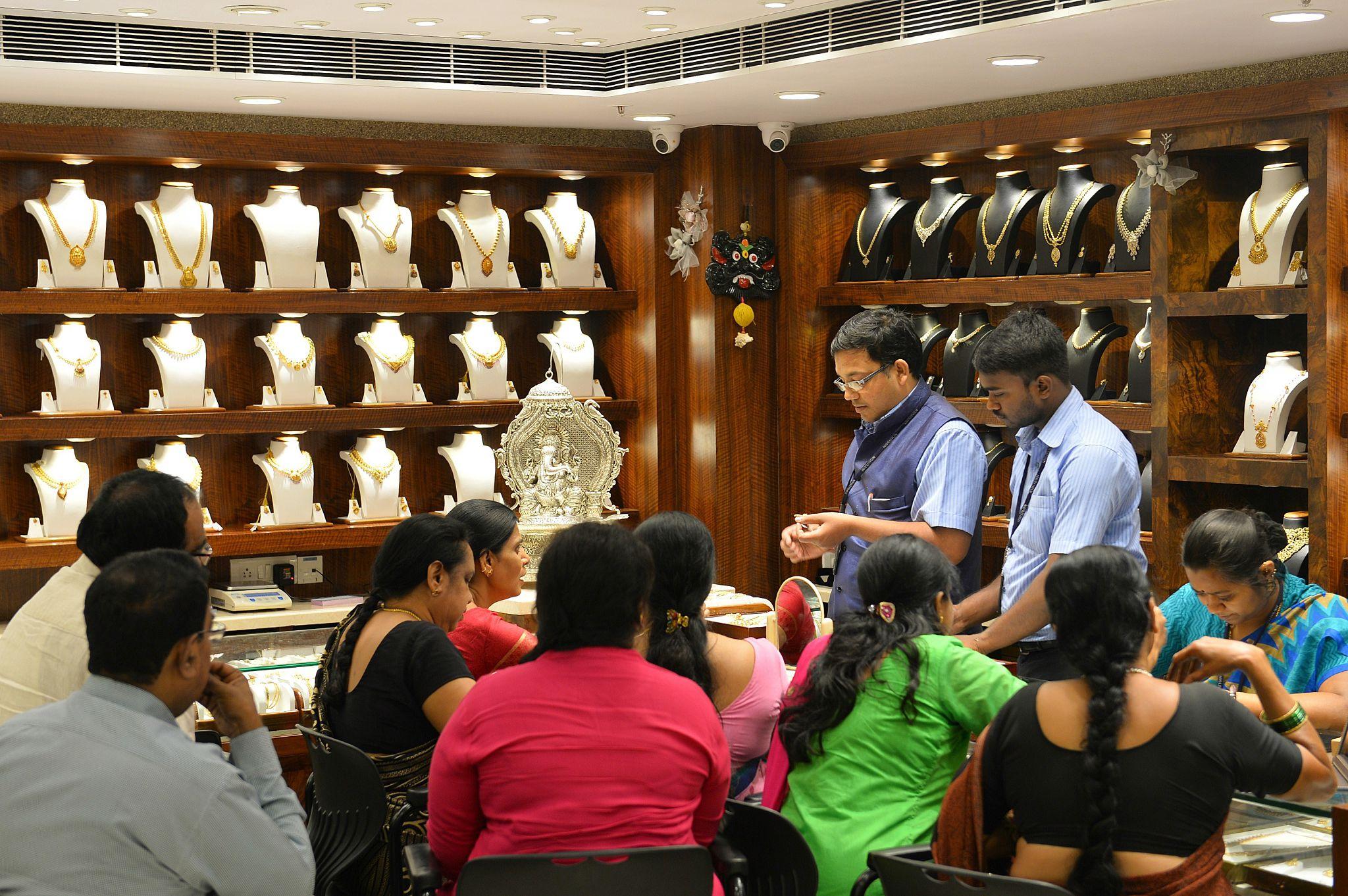
Akshaya Tritiya 2026 served as a powerful testament to the resilience and evolution of the Indian jewellery market. Across the country, retailers reported a significant increase in consumer engagement, driven by a unique blend of traditional sentiment and modern aesthetics. While the auspiciousness of the day remains a primary motivator, the nature of the purchases is becoming increasingly sophisticated, with buyers prioritizing versatility and long-term value over mere weight.
In regions like Indore, the demand for gold was characterized by a preference for modern utility.
Vedant Anand of Punjabi Saraf, Indore, noted that the positive sentiment reflected a balance of emotional and strategic buying. "We had a steady footfall during Akshaya Tritiya this year. There was a clear inclination towards gold jewellery, especially lightweight pieces. While traditional buying remained intact, we also noticed a growing preference for contemporary designs that offer both occasion wear and everyday usability."
High-intent shopping that resulted in strong sales was evident throughout the festival.
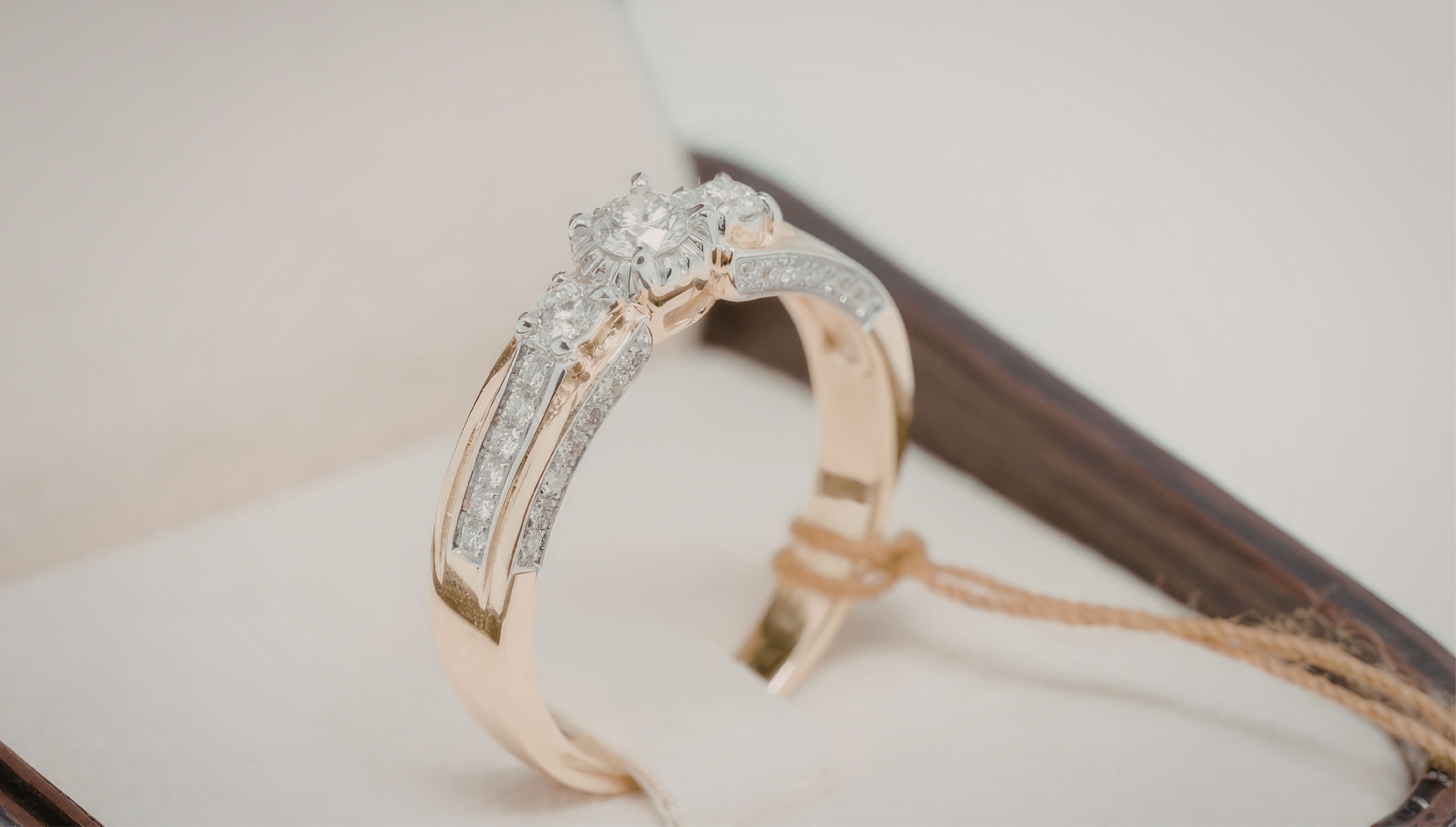
Prerna Khurana of Khurana Jewellery House, Amritsar, said, "There was a noticeable surge in customers coming in with a clear intent to purchase, which translated into healthy conversions. In terms of trends, we saw significant movement in gold jewellery, particularly in 22K and 18K, along with a growing preference for lightweight diamond pieces that balance everyday wearability with design."
One of the most notable trends this year was the shift towards segments that offer a superior aesthetic impact.
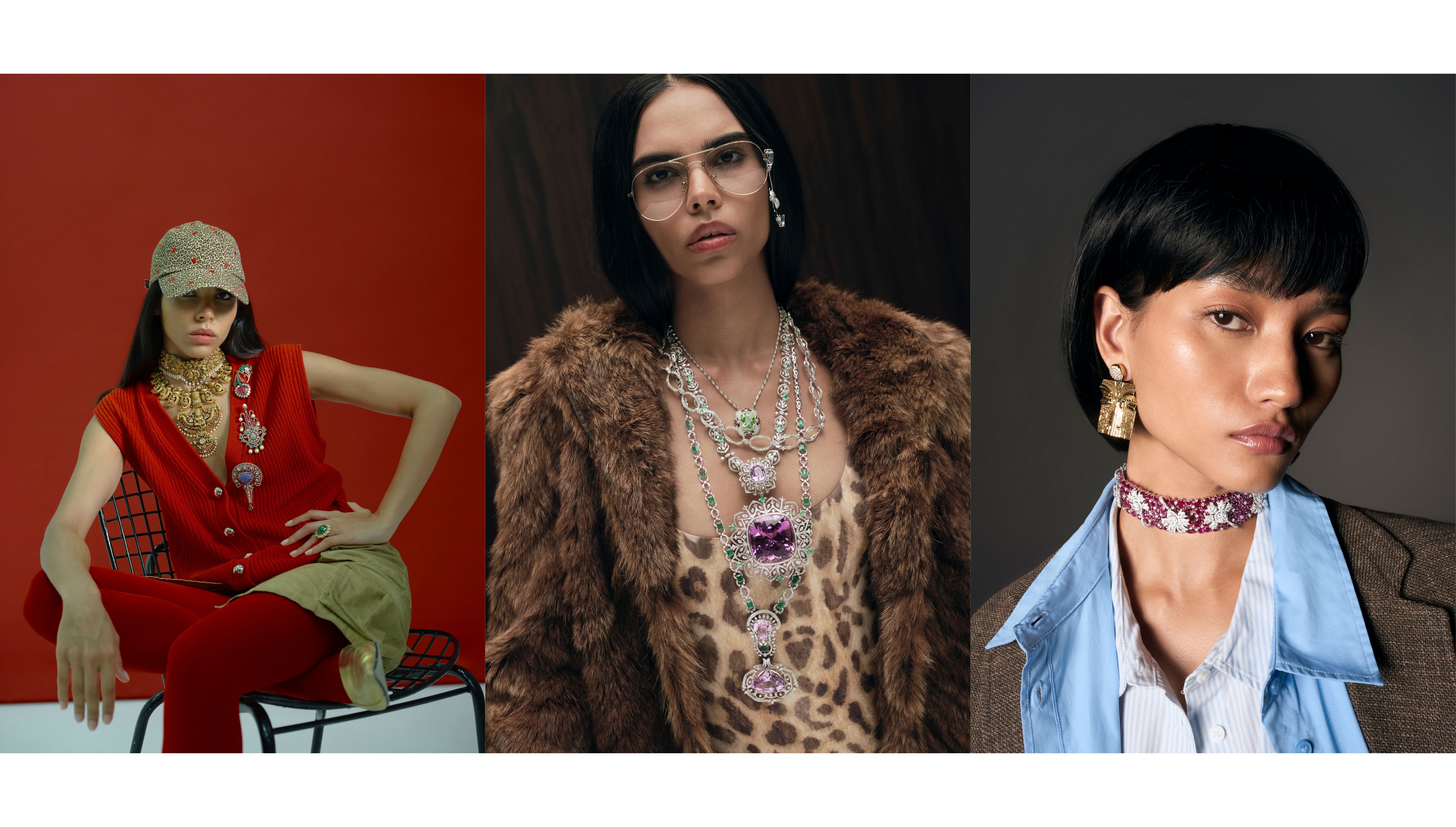
Dr Saurabh Gadgil of P N Gadgil Jewellers, Pune, said, “Overall footfalls were higher than the last three years, with a distinct movement towards more complex categories. We saw people shifting to diamond and polki jewellery, since the price-to-look ratio is much better. Colour stone jewellery is doing better than before."
Kalyan Jewellers, in Thrissur, reported substantial growth figures across various metal categories.
Said Rajesh Kalyanaaraman, "We are pleased with the strong operational performance delivered on Akshaya Tritiya, with total revenue recorded at Rs 251 crore. Gold remained the key driver, recording 79.6% YoY revenue growth, while the silver and diamond segments grew by 98.0% and 79.9% YoY revenue, respectively. The growth was particularly strong in markets like Bihar, Uttar Pradesh, and Indore, setting a robust tone for the current quarter.”
Innovation in how customers access jewellery was another highlight of the 2026 season.
Ridhi Kapur Gala of Kashi Jewellers, Kanpur, said, “The two-day Muhurat allowed for sustained demand. Our strategic integration with quick-commerce platforms, such as Swiggy Instamart, has been pivotal in ensuring high accessibility for convenience-led and last-minute purchases. The demand for bridal jewellery remained well-balanced, with traditional shagun purchases like gold coins.”
The intersection of Akshaya Tritiya with the summer wedding season provided an additional boost to high-end segments.
Eshwar Surana of Raj Diamonds, Bengaluru, reported a 20% increase in sales, compared to the previous year. "We saw a significant rise in demand for the men's jewellery and accessories category, like signature brooches and diamond zipper chains. Customers are increasingly opting for diamond jewellery that aligns with both value and everyday wearability, often purchasing pieces that are intended to become cherished heirlooms.”
The trends observed during Akshaya Tritiya 2026 — ranging from the rise of men’s accessories to the adoption of quick-commerce — indicate a market that is successfully blending its deep cultural roots with the demands of a modern, convenience-oriented era.

Be the first to comment