


India concluded the Kimberley Process Intersessional 2026 in Mumbai after four days of discussions on compliance, transparency and governance reforms aimed at strengthening confidence in the natural diamond trade.
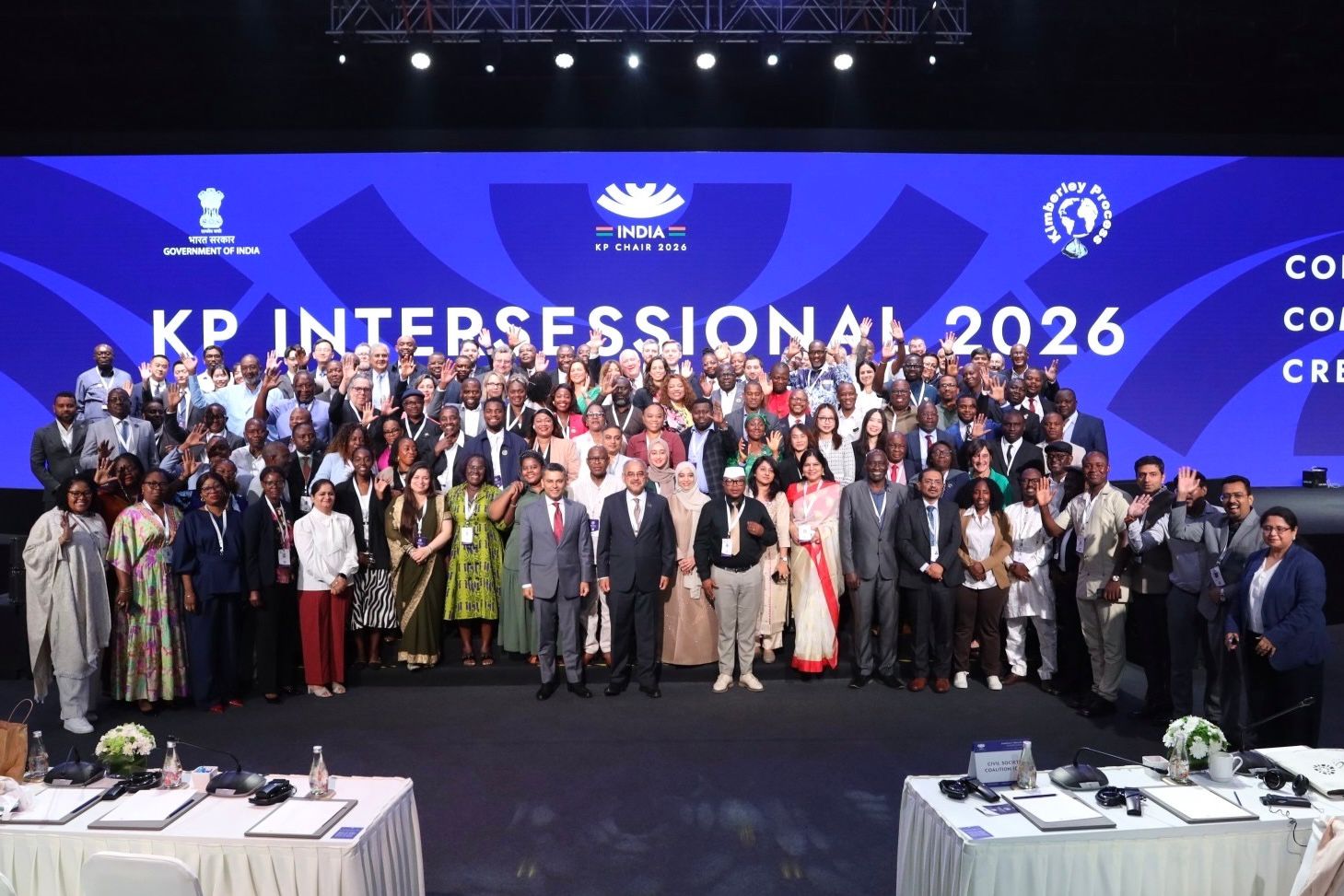
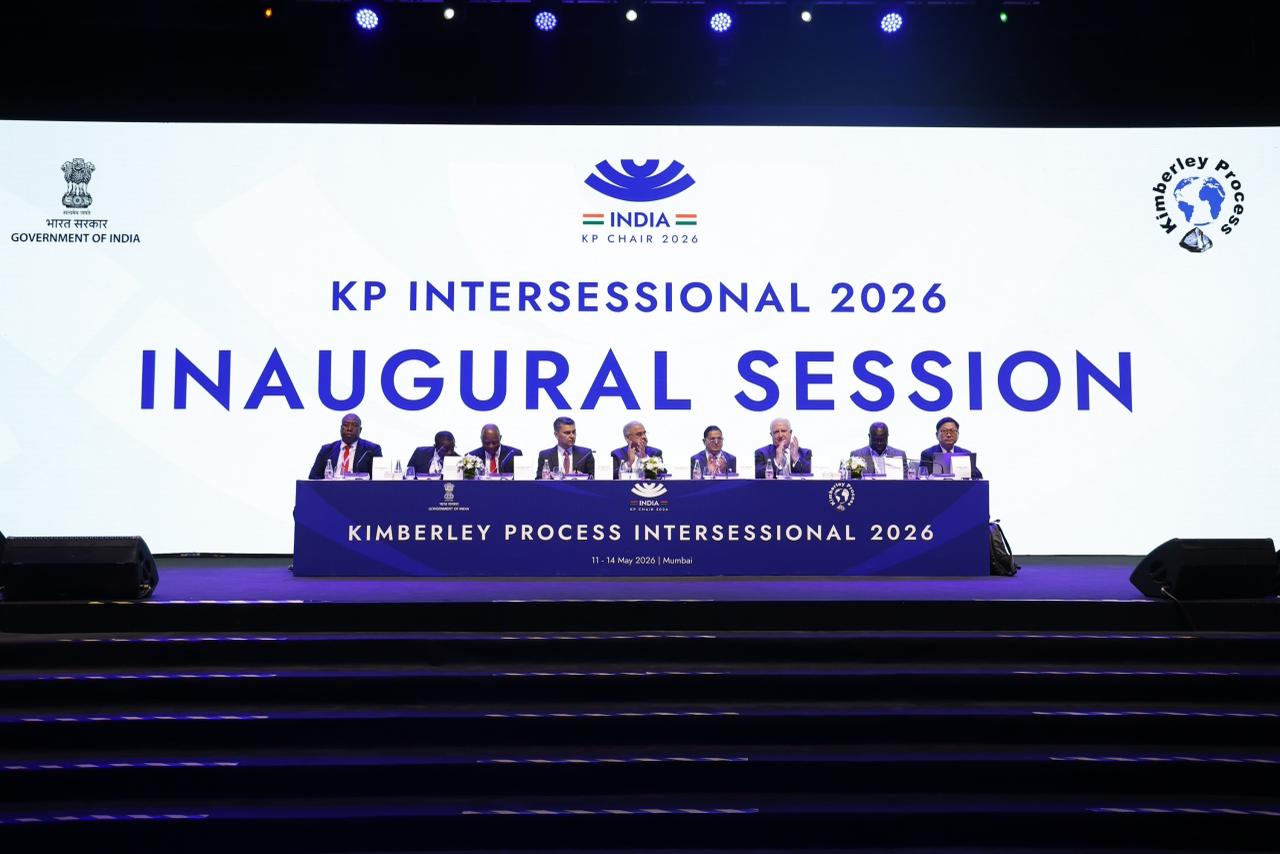
The Kimberley Process (KP) Intersessional Meeting 2026 concluded in Mumbai under India’s Chairship, bringing together KP Participants, Observers, industry representatives and civil society organizations for discussions on the future of the natural diamond sector. Held under India’s Chairship theme of the 3Cs — Credibility, Compliance and Consumer Confidence — the four-day meeting focused on strengthening transparency, governance and operational mechanisms within the global natural diamond trade.
Union Minister of Commerce and Industry Piyush Goyal said India, as a leading centre for diamond cutting and polishing, recognises the Kimberley Process as an important framework for ensuring natural diamonds remain associated with trust and responsible sourcing. He stated that India remains committed to advancing the 3Cs framework and working with Participants and stakeholders to strengthen the relevance of the Kimberley Process in a changing global marketplace.
“The natural diamond sector sustains millions of livelihoods across producing, processing and consuming nations, and India will continue to champion a KP that is robust, transparent and responsive to both industry and consumer expectations,” Goyal said. During the Intersessional, KP Working Groups and Committees discussed monitoring systems, governance, technical procedures, statistics and artisanal production. Deliberations also focused on improving operational mechanisms and reinforcing transparency across the natural diamond value chain.
KP Chair 2026 Suchindra Misra said the progress achieved during the Mumbai meeting reflected a shared commitment among Participants and Observers to keep the Kimberley Process “credible, relevant and responsive” to evolving trade dynamics and consumer expectations. He added that trust remains central to the natural diamond trade and highlighted the importance of strengthening the Kimberley Process as a framework supporting responsible sourcing and transparency. The Intersessional also emphasized the need for stronger communication and outreach initiatives to better convey the role of the Kimberley Process in responsible sourcing, development outcomes and livelihood support in producing nations.
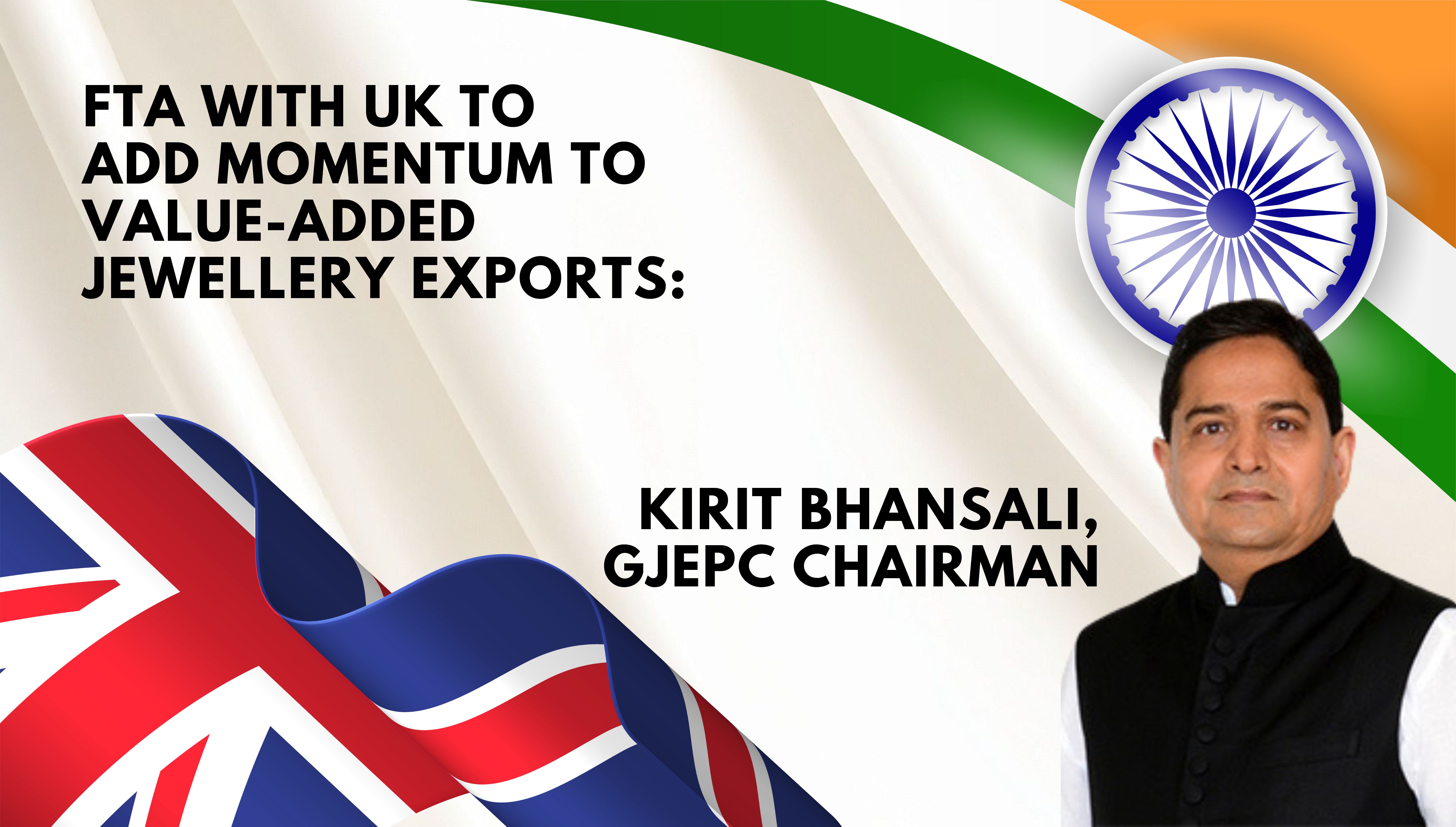
Kirit Bhansali, Chairman of the Gem & Jewellery Export Promotion Council, said the discussions on monitoring, compliance mechanisms, artisanal production and supply chain transparency were important for maintaining the relevance of the Kimberley Process in a market increasingly shaped by sustainability and digital verification. “Natural diamonds represent a sustainable product and livelihood for millions, and the Kimberley Process continues to be one of the most progressive certification systems globally,” Bhansali said.
The discussions and recommendations from the Mumbai Intersessional will continue into the KP Plenary scheduled to be held in New Delhi later this year under India’s Chairship through 2026. The Kimberley Process Certification Scheme was established under United Nations General Assembly Resolution 55/56 in 2000 to prevent conflict diamonds from entering the legitimate diamond trade and to promote responsible sourcing practices globally.





Be the first to comment