


As leading retailers and designers flag rising interest in colour stones, COUTURE India 2026 reveals how emeralds, turquoise and Tanzanite are shaping the jewellery conversation ahead of the wedding season, discovers Preeti Kulkarni
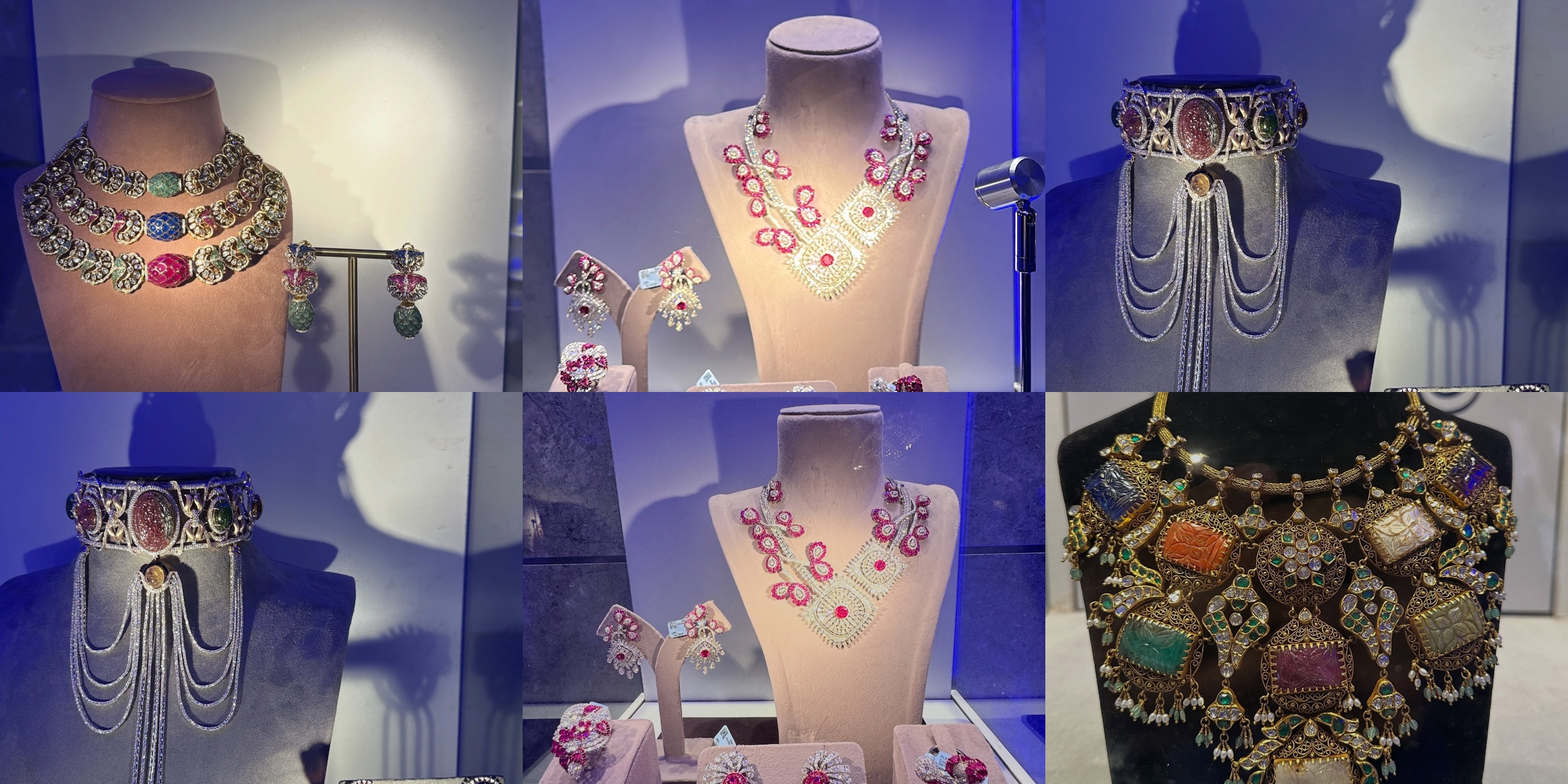
As retailers prepare for the upcoming wedding and festive season, coloured gemstones are emerging as one of the strongest design conversations at COUTURE India 2026. Across exhibitor collections and retailer observations, colour stones are being used not simply as accents, but as a key element of differentiation, particularly in high jewellery, occasion wear and bridal collections.
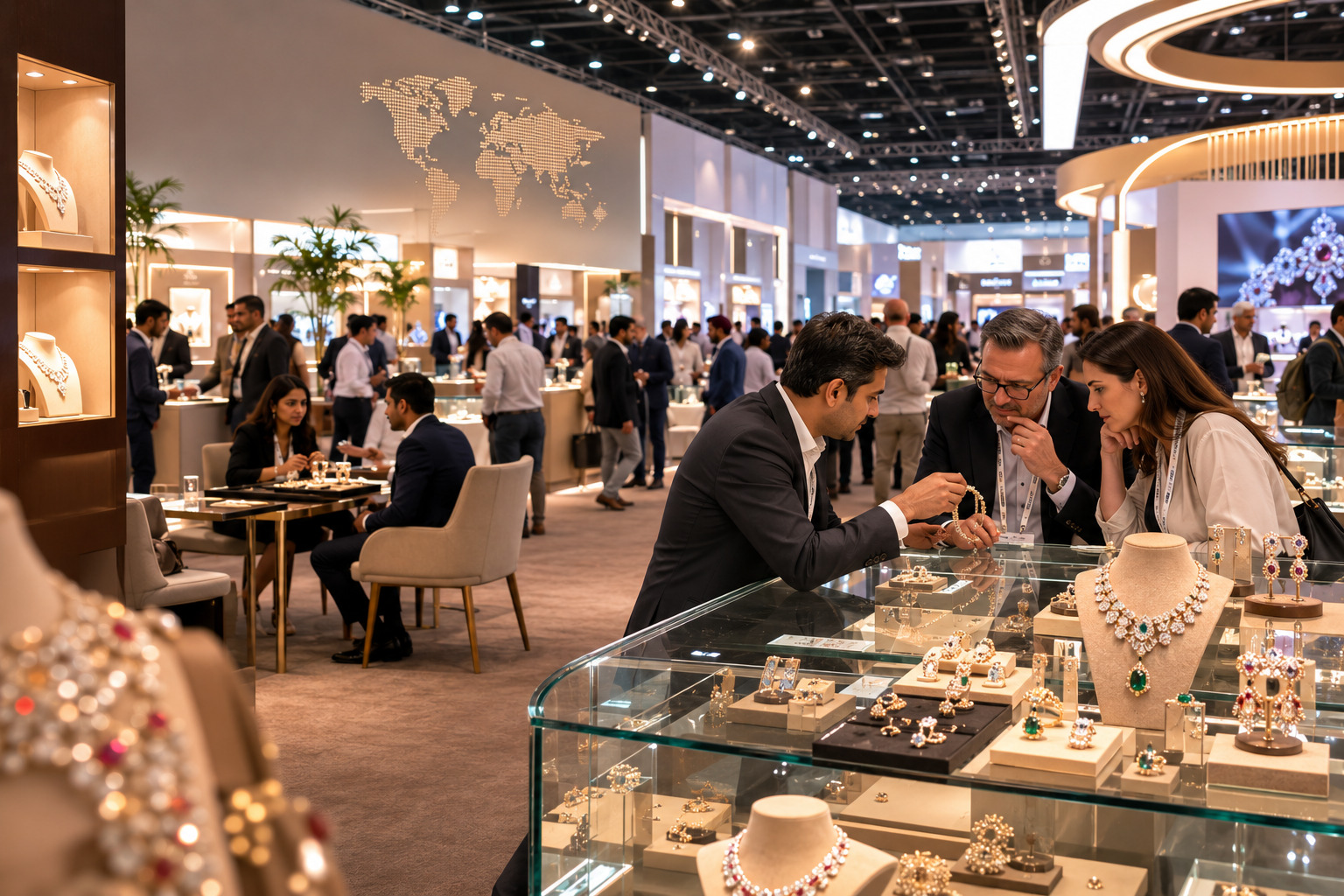
The show floor offered multiple signals of this shift. Turquoise, emeralds, Tanzanite and other coloured gemstones featured prominently in conversations around newness, while retailers pointed to growing consumer curiosity around pieces that look different from what they already own.
For Aneesh Kumarr of Indriya, Aditya Birla Jewellery, the prominence of colour stones was one of the first things that stood out at this year's edition. “For me particularly, the colour stone section was quite dominating because people have played really very well with a variety of stones.”
He observed that turquoise, different shades and ombré treatments were particularly visible across the show.
“What I see predominantly is the turquoise and the shades and the ombré of colour stones is prominent everywhere,” he said.
The increasing presence of colour stones reflects a broader shift in how high-end jewellery is being designed and consumed.
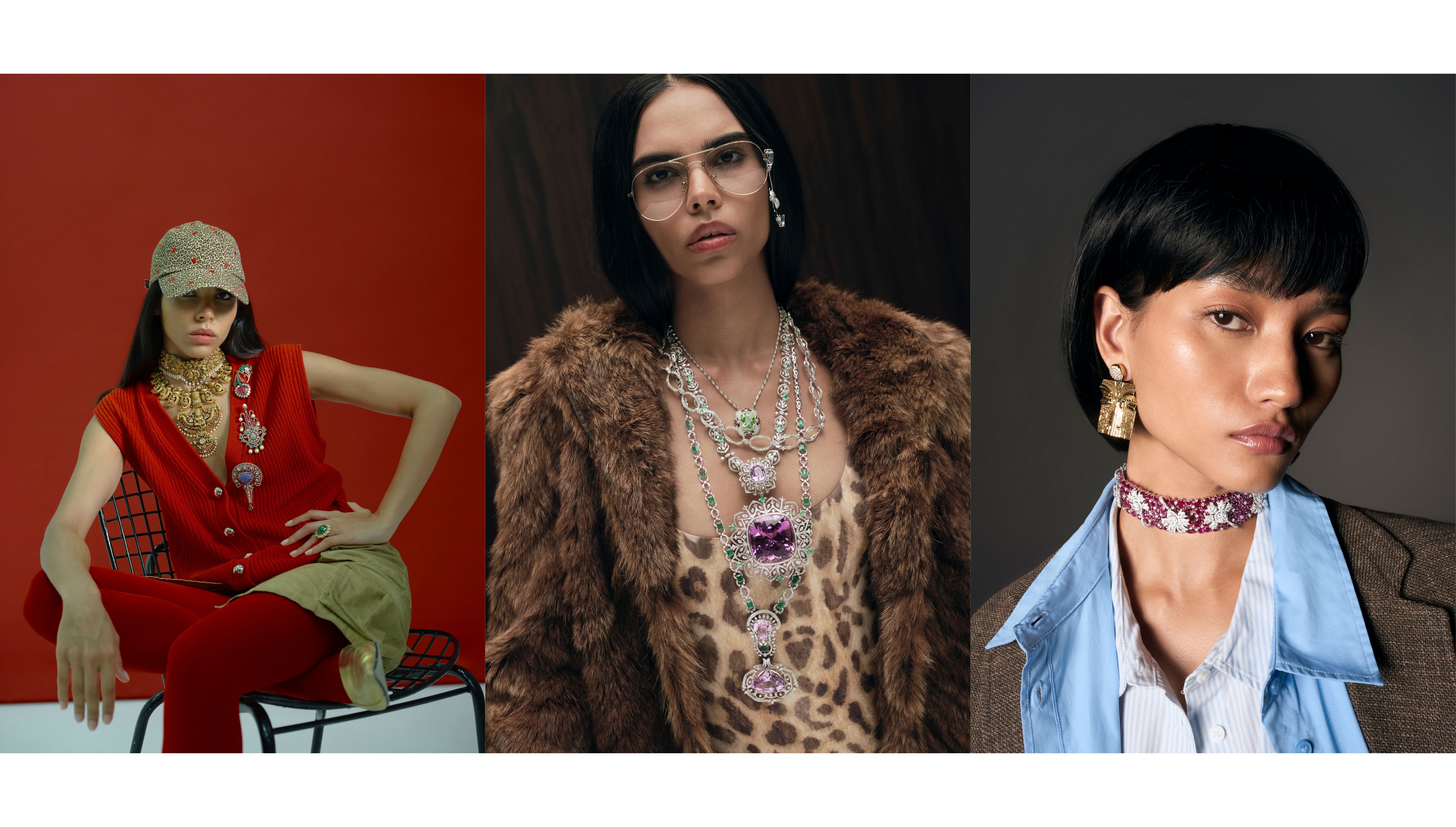
At COUTURE India 2026, colour is being used to create distinction, with designers combining gemstones in ways that give familiar jewellery formats a different visual identity.
Ankit Malpani of Jewelry by Art described variety and the distinct use of materials as among his biggest takeaways from the show. His own collection brought together Colombian emeralds and Tanzanite, with the aim of creating new material combinations.
“We bought Tanzanite with the Colombian emeralds. We amalgamated the polkis with the Colombian emeralds,” Malpani said.
For him, the broader movement is about taking luxury beyond conventional material associations.
“People [are] going beyond the gold,” he said, adding that different materials, contexts and storylines can convince customers that a piece is “a very special product.”
That approach places coloured gemstones firmly within the wider search for jewellery that offers individuality rather than simply precious-metal value.
The growing interest in colour stones is also linked to what retailers say their customers are seeking.
Vedant Anand of Punjabi Saraf, Indore, said customers are increasingly looking for jewellery that adds something different to their existing collections.
“They're definitely preferring something which they don't own or haven't seen before.”
Colour stones, he added, are benefiting from this search for something unfamiliar.
“Colour stones are getting a lot of attraction, particularly because that is something that not everybody possesses, so there is a lot of curiosity and also a lot of interest to explore that area.”
That curiosity is particularly relevant as retailers build assortments for the wedding and festive season, when consumers are looking for jewellery for multiple occasions rather than a single traditional bridal purchase.
The colour-stone story is also intersecting with another change in consumer behaviour: the demand for jewellery that can be worn more than once.
Abhiyant Raniwala of Royal Rising Jewels pointed to the growing preference among millennial and Gen Z brides for versatile jewellery.
“A lot of the millennial and Gen Z brides are now wanting jewellery which is more versatile, more usable.”
He said younger consumers are moving away from pieces that are bought for a single occasion and then stored away.
“They are not really wanting pieces which are just big in size and kept in lockers later, but they want something that can be worn many times.”
For coloured gemstones, this opens an opportunity beyond traditional heavy bridal jewellery. A carefully designed emerald, turquoise or other colour-stone piece can move between wedding functions, festive occasions and other social settings, depending on its scale and styling.
The timing of COUTURE India 2026 has added relevance to this shift.
Raniwala described the show as particularly well-timed because the buying season is about to begin.
“This is the right time to buy for your store because the season begins right next week onwards,” he said.
Anand similarly said he was looking forward to developing a new bridal line, pointing to the demand for something different as brides explore new collections.
For retailers, therefore, the colour-stone opportunity is not necessarily about replacing established bridal categories. Instead, it can add another layer of choice to an assortment already built around traditional wedding jewellery.
Surinderpal Singh of Neelkanth Jewellers Pvt Ltd said colour stones were part of the demand he was seeing for boutique jewellery, alongside diamonds.
“Trendy, latest designs with the colour stones,” he said, while noting that bulky diamond jewellery is not as much in trend for his target segment.
He added that the show's curated exhibitor base made it easier for retailers to identify products suited to boutique stores.
What makes COUTURE India 2026 relevant to the coloured-gemstone conversation is the concentration of designers, manufacturers and retailers looking specifically for newness.
The show brings together several of the factors currently shaping the category: consumers looking for jewellery they have not seen before; younger buyers seeking versatility; retailers preparing fresh bridal and occasion collections; and designers experimenting with colour, material combinations and construction.
For Malpani, that experimentation is central to the show's appeal. For Kumarr, the colour-stone presence was one of the defining visual features of the edition. For Anand, colour stones are attracting consumers precisely because they offer discovery. And for Raniwala, the move towards versatile jewellery among younger brides is creating space for more artistic, wearable designs.
The message emerging from COUTURE India 2026 is therefore not simply that coloured gemstones are having a moment. It is that colour is becoming a way for retailers and designers to answer the season's demand for newness.
As wedding and festive buying gathers pace, the opportunity lies in how the trade translates that appetite for colour into jewellery that combines distinctiveness with wearability.
At COUTURE India 2026, that conversation was already taking shape—one emerald, turquoise, Tanzanite and colour-stone combination at a time.
Be the first to comment