


India’s apparel and jewellery exporters are preparing for a potential decline in U.S. orders following the imposition of a 25% tariff on Indian imports by the United States, which takes effect today.
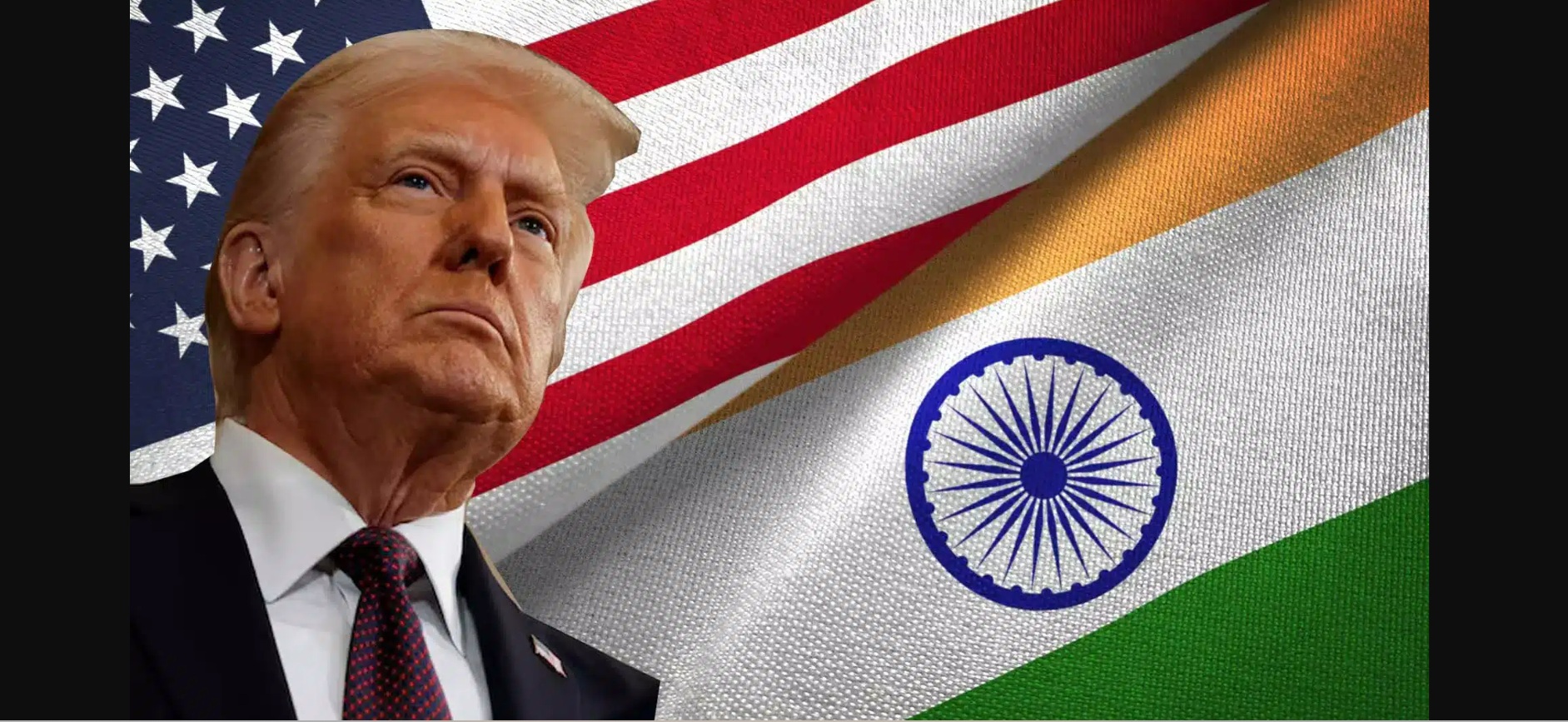
The new trade measure, announced by President Donald Trump earlier this week, has sparked concern across two of India's most export-dependent sectors.
The United States is India’s largest market for garments and jewellery, with nearly $22 billion in exports recorded in 2024. Key companies such as Welspun Living, Gokaldas Exports, Indo Count, and Trident, which rely on the U.S. for 40%–70% of their business, are now reassessing expansion plans amid the tariff hike.
Many exporters had anticipated a favourable bilateral trade agreement with the U.S., expecting tariffs to remain within the 10%–15% range. However, the sudden increase to 25% has cast uncertainty over future contracts, prompting businesses to pause hiring, delay capital investments, and reconsider U.S. market strategies.
In Tirupur, one of India’s main textile hubs, exporters are closely monitoring trade negotiations. The local industry, already under cost pressures from competing exporters in Bangladesh and Vietnam, fears intensified competition as U.S. buyers may shift to alternative sourcing destinations with lower tariff burdens.
India holds a 5.8% share in the U.S. garment market, trailing behind China, Vietnam, and Bangladesh. With Vietnam enjoying a lower 20% duty under its trade arrangements, industry watchers anticipate that Indian manufacturers could lose further ground.
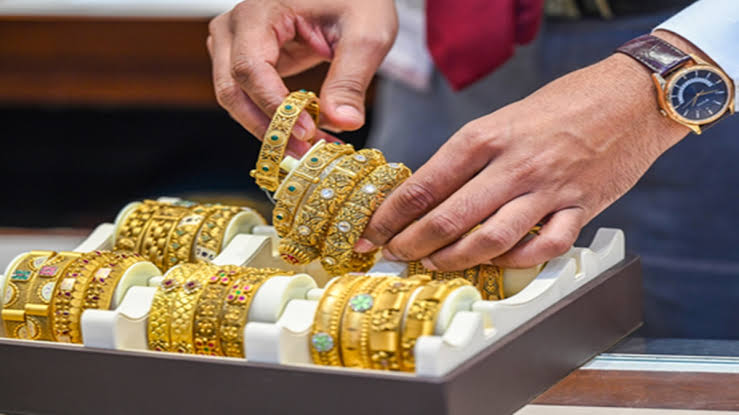
Meanwhile, the jewellery sector is also expected to be hit hard. The U.S. accounts for roughly one-third of India’s $28.5 billion in annual gems and jewellery exports. After a sharp decline in polished diamond exports during the 2024–25 fiscal year, the new tariff threatens to further disrupt a sector already grappling with weak demand from the U.S. and China.
Industry stakeholders are warning that the tariff hike will raise input costs, delay shipments, and strain the entire supply chain—especially for small and mid-size enterprises and their workers. Exporters across both sectors are now awaiting the outcome of ongoing U.S.-India trade talks to determine the road ahead.









Be the first to comment