


The ongoing US-Israel-Iran conflict is disrupting diamond trade flows, impacting key hubs, delaying shipments, and pressuring logistics; however, the industry is hopeful of things returning to normal once the geopolitical tensions ease, finds out Dhwani Rathod.
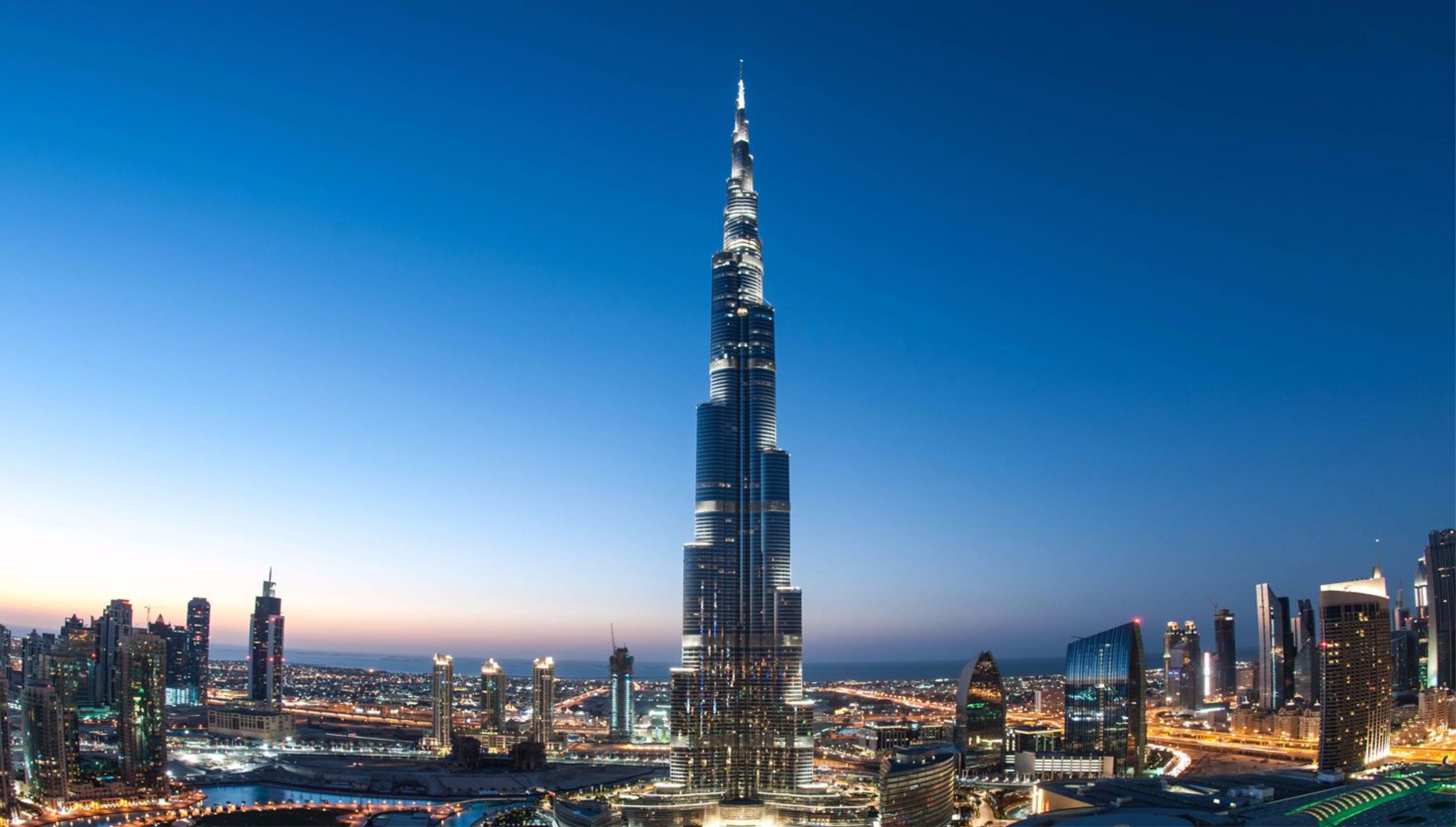
The escalating confrontation between the US and Israel on one side, and Iran on the other, is casting a shadow over the global diamond trade, with signs of disruption emerging across key trading hubs such as Dubai and Israel. While the industry is no stranger to geopolitical volatility, the current environment is testing the resilience of supply chains and logistics networks.
Dubai, a critical transit hub for rough and polished diamonds, has been among the first to feel the impact. Reduced passenger movement, flight disruptions, and heightened security protocols are slowing the movement of goods, and affecting trade flows.
Vikram Jain of Kanakratna Exim, Mumbai, notes, “The conflict is impacting gold and diamond trading hubs like Dubai significantly, with exports dropping sharply due to reduced passenger traffic, and disrupted global trade flows.”
The situation is affecting logistics more than fundamentals — at least for now. Shipment delays and rescheduled tenders are being reported, largely due to disruptions in air travel, and precautionary measures across the region.
Mumbai-based Nilesh Chhabria of Finestar Jewellery and Diamonds says, “At the moment, the impact is largely operational rather than structural, with shipment delays and adjusted tender schedules due to flight disruptions; sourcing continues through diversified global supply channels.”
The diamond pipeline, which relies heavily on the smooth movement of goods across borders, is particularly sensitive to disruptions in transit hubs. Even short-term delays can create ripple effects across manufacturing centres such as India, where consistent rough supply is critical to maintaining production cycles.
There are growing concerns that if the situation persists, supply continuity could come under pressure, especially in regions dependent on Gulf transit routes. Jain cautions, “If the situation continues for a few more weeks, the impact could become severe, with markets operating at reduced capacity; volatility in gold prices could add further uncertainty to the trade.”
Luanda-based industry analyst Antonio Antomoli, who is also the president of the African Diamond Manufacturers Association (ADMA), observes, “The risk to supply continuity is imminent if the situation persists, as stock release delays, tightening credit lines, and rising costs could disrupt transaction flows across the global diamond pipeline.”
Despite the operational challenges, demand fundamentals in key markets have not shown significant deterioration so far. Chhabria notes, “What we are seeing is more of a sentiment pause, rather than a fundamental shift, with demand in key markets like the US largely driven by consumer cycles and pricing discipline.”
This view is echoed at a macro level, where the broader concern is that of indirect effects, such as rising oil prices, and their impact on discretionary spending.
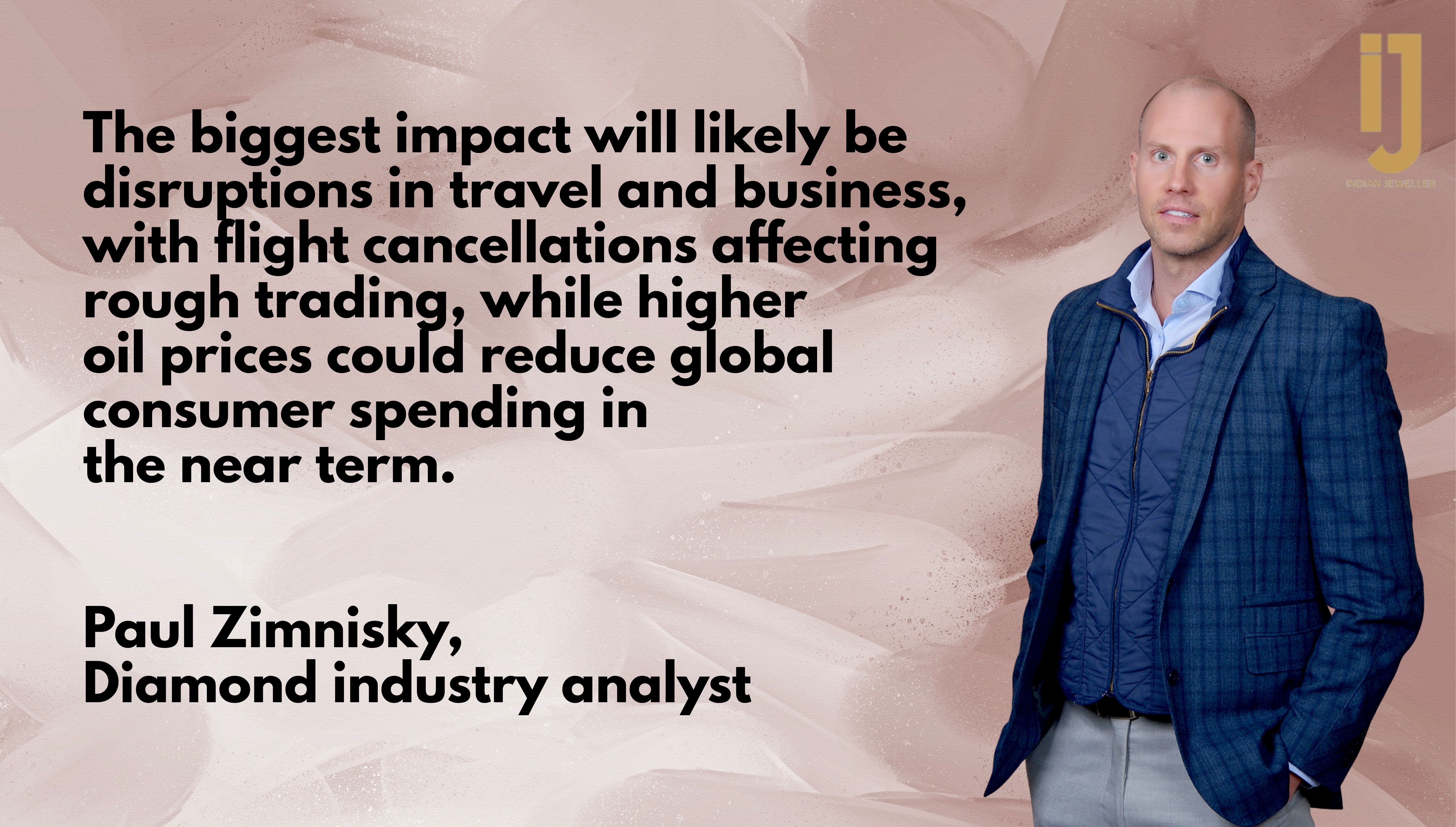
New York-based diamond industry analyst Paul Zimnisky says, “The biggest impact will likely be disruptions in travel and business, with flight cancellations affecting rough trading, while higher oil prices could reduce global consumer spending in the near term.”
Industry observers say the situation has not yet translated into a deep structural shift in the diamond market, though escalation remains a key risk factor. Zimnisky adds, “If the conflict escalates or spreads across the region, it could have a more profound impact on the industry, but for now, the effects remain largely indirect and limited.”
The situation has also reignited discussions around the industry’s dependence on a few key trading hubs. While some see this as a temporary disruption, others believe it highlights the need for greater diversification and flexibility within the global diamond ecosystem.
Antomoli points out, “What we are witnessing is a redistribution of trust, where alternative hubs and secure trading platforms could emerge stronger if they provide stability and continuity during geopolitical uncertainty.”
Jain maintains that established centres will continue to dominate, once stability returns. “This is a temporary phase, and traditional centres like Dubai and Antwerp will regain momentum, as the current disruption is driven by geopolitical factors, rather than structural weaknesses in the trade,” he says.
Adding his perspective, Chhabria says, “The industry is likely to become more resilient and diversified, with broader trading networks and adaptive sourcing strategies, rather than shifting away from any single hub entirely.”
Overall, if tensions persist in the Middle East, the near-term outlook could include continued logistics disruptions, elevated freight and insurance costs, and cautious buying across international trading hubs. While the conflict has introduced fresh uncertainty into the diamond pipeline, it may ultimately push the industry – particularly India’s – to become more agile and diversified.








Be the first to comment