
An exciting future awaits Indian jewellery designers – however, some attitudinal shifts are essential. Jewellers have to understand the next billion aspirations, and then design accordingly to fulfill them. While some Indian designers have already begun this journey, crafting collections that speak to contemporary identity, autonomy, inclusion, emotion, and cultural nuance, yet, for the industry at large, the shift is still nascent, says renowned Canada-based jewellery designer Reena Ahluwalia.
(This story, written by Reena Ahluwalia,was first published in Diamond World – September-October 2025 -- print edition.)
India has always known how to make jewellery speak. For centuries, its designs have carried ritual, tradition and history. As the country’s luxury market expands across regions and classes, the question is no longer whether India has a jewellery tradition; it is whether India is ready to define a new design language for its billion dreams.
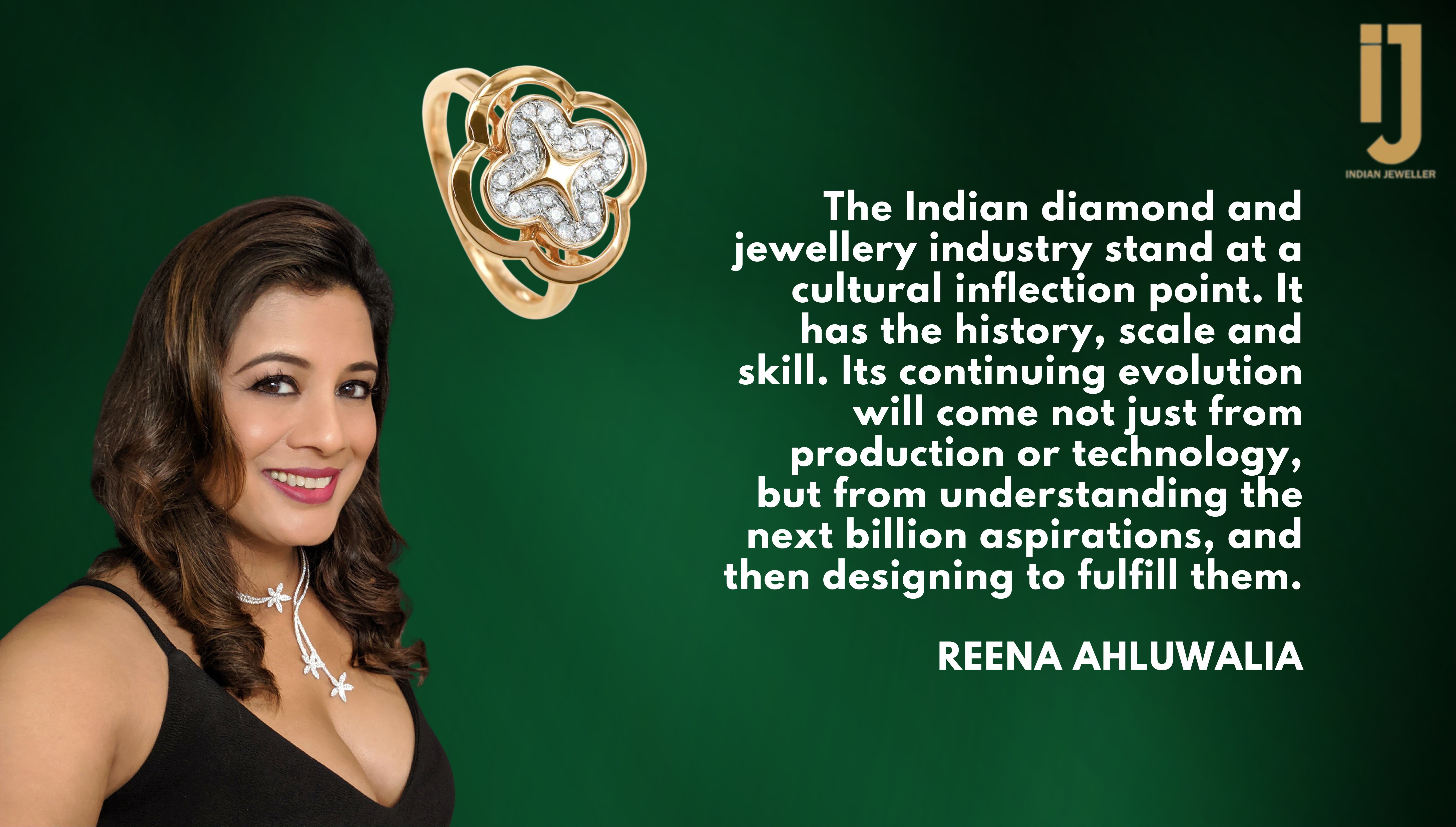
The Indian diamond and jewellery industry stand at a cultural inflection point. It has the history, scale and skill. Its continuing evolution will come not just from production or technology, but from understanding the next billion aspirations, and then designing to fulfill them.
A few Indian designers, diamond houses, and jewellery brands have already begun this journey, crafting collections that speak to contemporary identity, autonomy, inclusion, emotion, and cultural nuance. Their work signals a growing awareness of jewellery as a personal story. Yet, for the industry at large, the shift is still nascent. Too many players remain anchored in old formulas, overlooking the urgency of cultural authorship.
The next chapter of jewellery is being written. The industry must choose: shape the future, or risk being shaped by it.
What does jewellery mean to a woman who chooses not to marry? To a queer couple? To a young professional buying a new house?
These are not exceptions. They are the mainstream now. A generation raised in immersive technology, and quite familiar with global culture, is seeking connection. It is open about identity, mental health, and emotion. Consumers of this generation value jewellery that expresses who they are becoming, not who tradition insists they should be.
Jewellery must accommodate and respond to this shift. No longer a fixed emblem of status or inheritance, it is evolving into a living archive, one that reflects the complexity and emotional intelligence of modern India. These shifting meanings open an unprecedented design frontier, one that rewards empathy, agility, and cultural fluency.
Luxury branding often leans on behavioral, psychographic, and generational insights to decode identity, aspiration, and emotional drivers. How do those insights translate into actual design? Can they shape form, material, and meaning in your next jewellery collection? The real power is in translating that into symbols that stick. Specificity matters. Symbols become powerful when they are emotionally charged, and repeatedly seen by the right audience.
What design could embody autonomy and choice, for example, for women redefining life beyond marriage? How precisely can you honour her decision to wear it as a statement of self? Generic diamond pieces exist. But they do not speak to this moment or mindset. The opportunity lies in crafting new design-led categories that express specific, identity-driven aspirations through symbols that resonate with the modern woman.
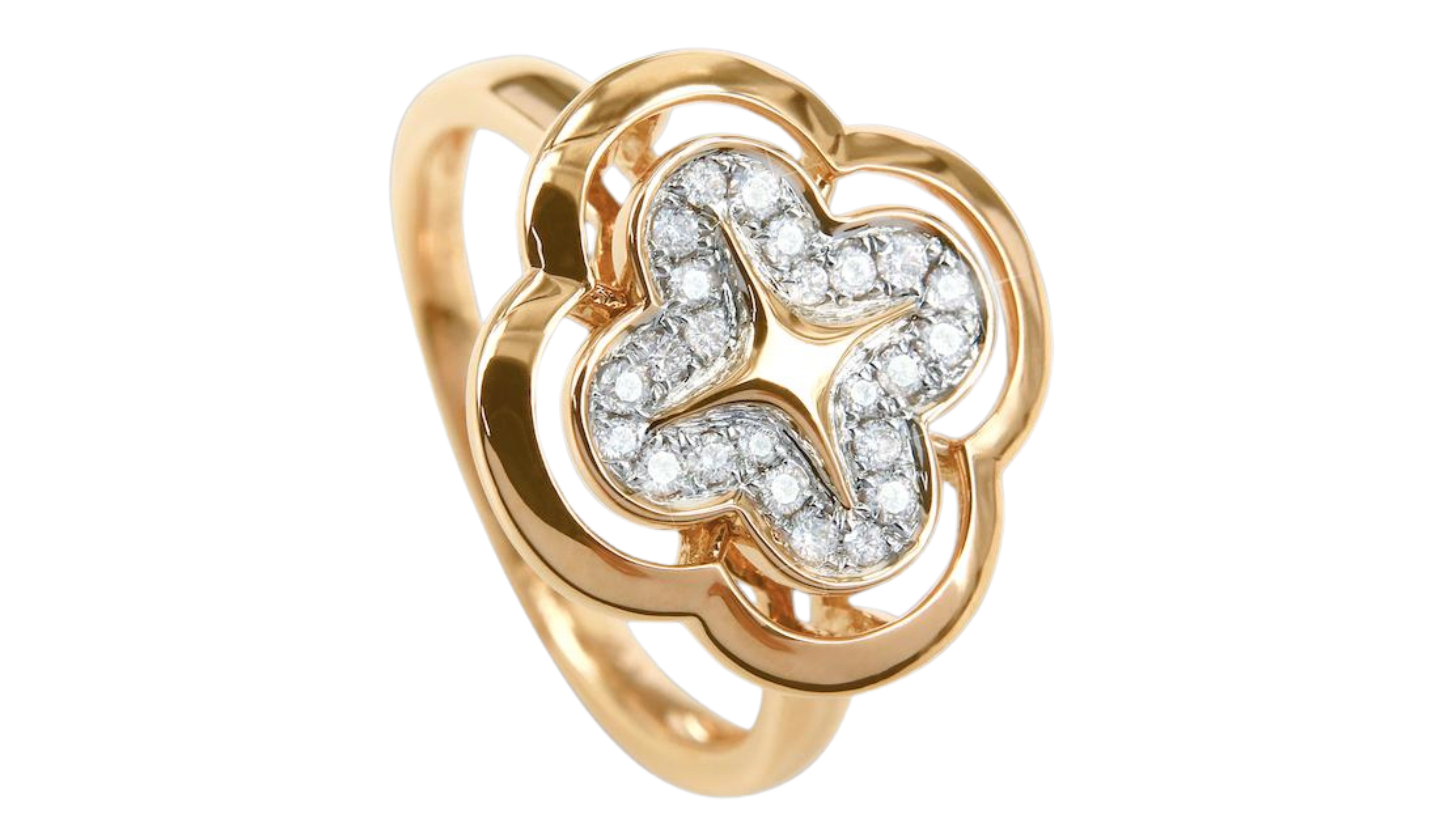
India’s jewellery industry has scale and numbers on its side. The challenge is not whether India can produce more jewellery -- it is whether it can define its own language of value for the next billion dreams. Jewellers need to have an understanding of what shapes desire and selfhood in today’s India. They need to invest in creative leadership, as also in supply chains and sustainability. Empathy and efficiency – both are essential.
Jewellery has always been a form of communication. Gemstones carry amuletic power. Motifs encode symbolism. Colours function as emotional syntax. In that sense, jewellery is more than an ornament -- it is language. The question is this -- whose story is it telling?
Cultural authorship is about turning emotional insight into tangible products and business systems that scale meaning, not just manufacturing. It means creating jewellery that narrates, affirms and complements the wearer. What if a queer couple from different regions or religions wanted to express pride in both identities? A diamond pendant or ring could merge Odisha filigree with Rajasthani meenakari. A customizable collection with modular components or co-designed inscriptions lets them wear their story -- together. Can it fulfill their need to be seen as the identity they choose? Jewellery is also an outward signal to society. People wear it so others know who they are.
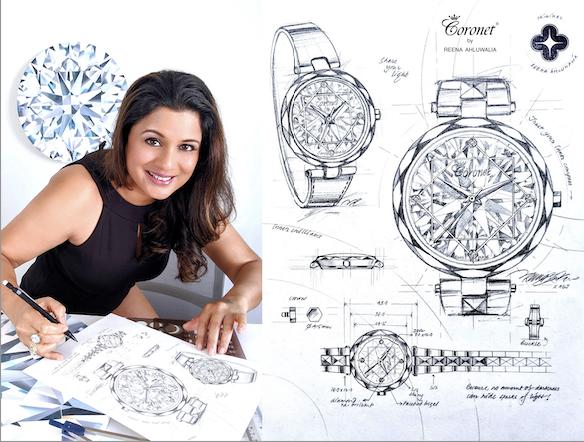
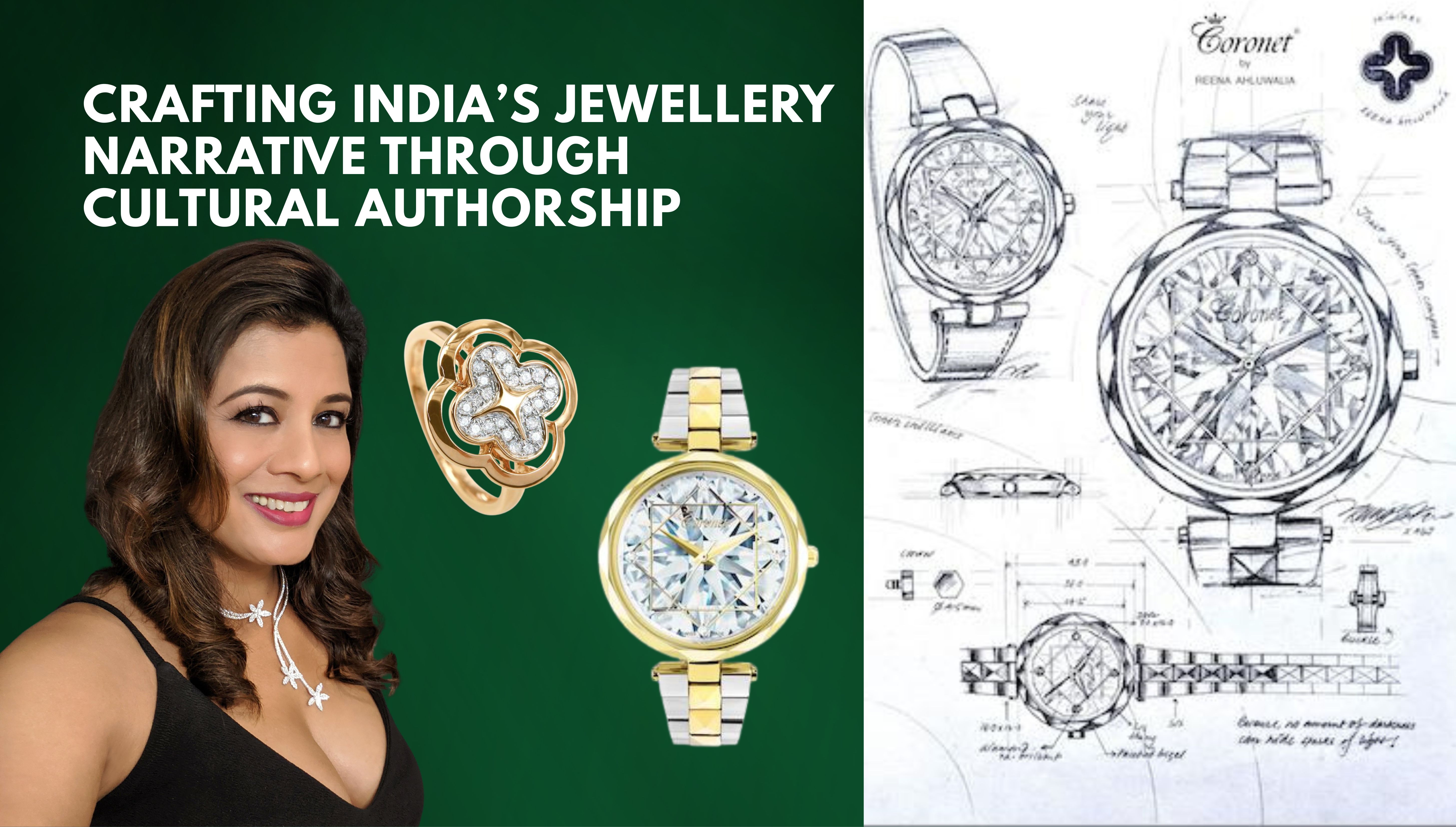
Designing value through code: The diamond watch features a hand-painted diamond on the dial, painted by Reena Ahluwalia. She generated this design code to reflect the spirit of those who wear it -- individuals who honour their successes, embrace self-reliance, and radiate strength. These gender-neutral timepieces are made for people who see themselves as diamonds. Every watch is a declaration, and reflects that specific identity.
India’s rise as the world’s second-largest market for diamond jewellery is more than economic. It signals a structural shift in global cultural power. The domestic market is projected to grow from $85 billion in 2025 to $130 billion by 2030, with diamond jewellery rising from $18.1 billion to $28.15 billion. Gold demand remains resilient, sustained by cultural affinity and rising incomes.
This growth offers more than commercial opportunity and narrative power. As Western markets plateau, and alternative materials challenge traditional value systems, India’s role is shifting from manufacturer to meaning-maker. The country can continue supplying global designs, or it can begin shaping the global conversation itself.
Growth without introspection, however, risks emptiness. Scaling meaning means designing not just for aesthetics, but for emotional truth.
Consider:
To implement meaning at scale, brands could turn cultural insight into product action: commission regional studies to collect data, brief designers on emotional triggers, build modular design components for personalization, create new categories of specific, yet recognizable products, and train retail teams to guide storytelling-based choices. Review your inventory and ask: are you ready to serve the next billion? They are not looking for more jewellery. They are looking for jewellery that means more to them personally. Therein lies the potential of the untapped market.
The world will look to India not just for its craftsmanship, but for its cultural codes.

The exhibit exemplified cultural authorship, using Indian mythology, art, and traditional crafts to give the Serpenti design new narrative depth. By integrating local symbolism, the brand connected meaningfully with modern Indian identities and emerging aspirations. This design approach added specificity for the Indian luxury audience, showing how jewellery can communicate story, emotion, and selfhood. How is your brand using its story to engage with the art, craft, and aspirations of modern India?
Across markets, younger consumers now see luxury as personal. In India, this shift runs deep. Women are buying jewellery for themselves. Men are embracing adornment as self-expression. Gender, once the central design axis, is becoming fluid, more personal, more intentional.
The next chapter of Indian jewellery will be defined by the emotional architecture and codes of the next billion.
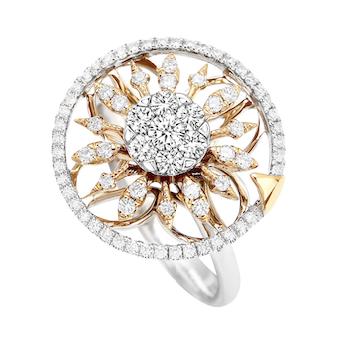
In the Inner Brilliance collection, each piece features a spinning diamond disc that brings you back to the present, into wellbeing. It is calming, tactile, grounding. A triangular pointer design element directs focus to the centre, a subtle reminder of inner worth. Its symmetry and repetition echo mantra chants and prayer wheels, inspired by the idea of Atman -- the essence within. It is selfhood worn as jewellery, anchored in well-being, emotional strength, and clarity.
For decades, India has powered the world’s diamond and jewellery supply chains. Now it must power a new imagination. To lead today is not to chase trends, but to interpret culture, to translate emotion, aspiration, and identity into form.
For brands and designers, the message is clear: cultural insight drives design strategy.
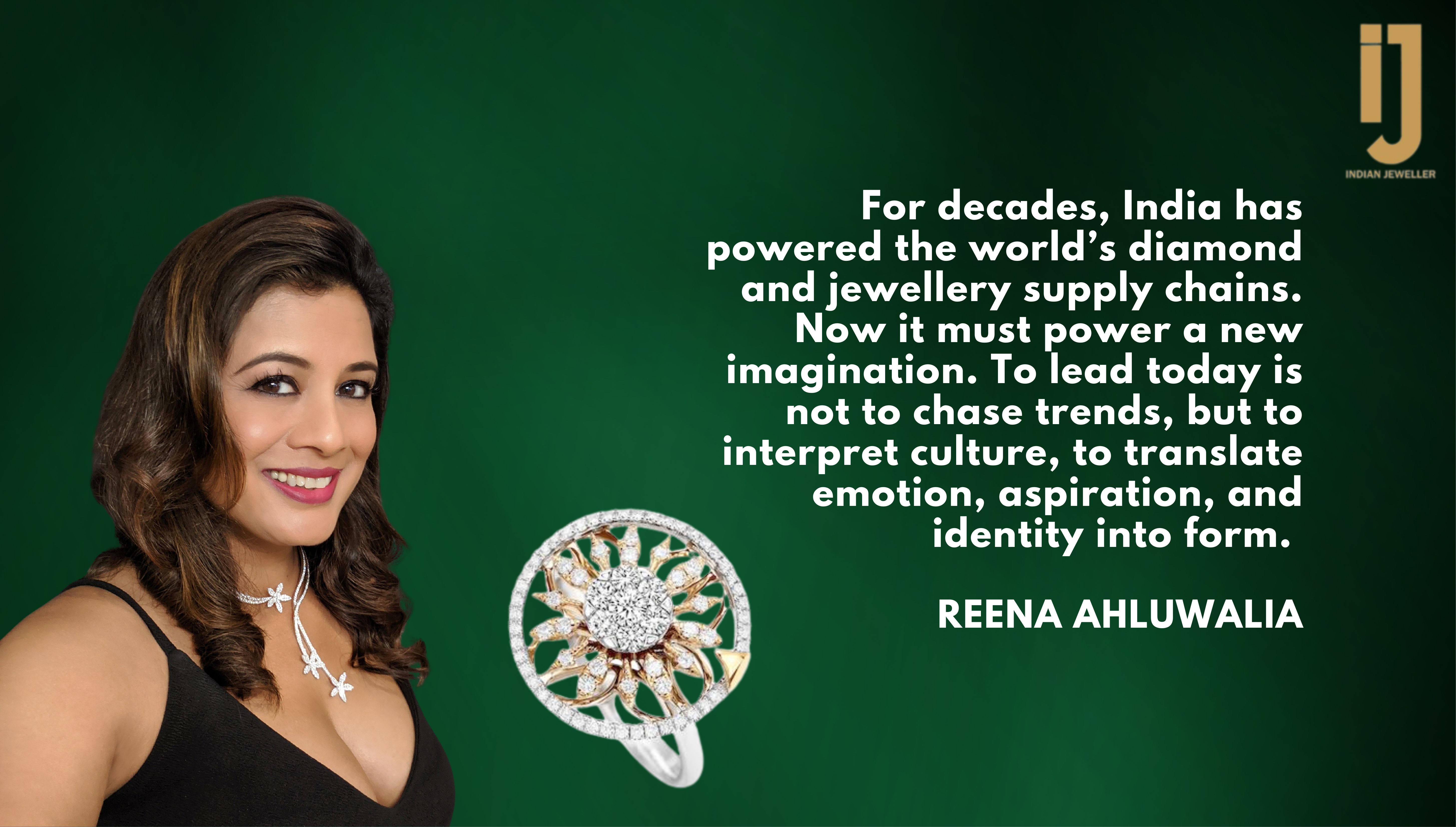
Canada-based Reena Ahluwalia is a globally acclaimed, multi-awarded jewellery designer, artist, and pioneering voice in the diamond and jewellery industry. A Hall of Fame honoree, her multi-dimensional contributions to jewellery include iconic designs and ground-breaking techniques that have redefined the field. She is known for building, advising, and strategizing world-class diamond and jewellery projects with top-tier brands and organizations. Ahluwalia is also an innovator in technology and blockchain, a respected historian, and a sought-after speaker.
SOCIALS

Be the first to comment