


IIJS Bharat Tritaya 2026 concluded on a measured note, signalling a constructive recalibration. The industry is steadily transitioning from volume-led growth to a more value-driven, strategic approach, navigating global geopolitical shifts and elevated gold prices with greater clarity and intent, reports Khursheed Mistry.
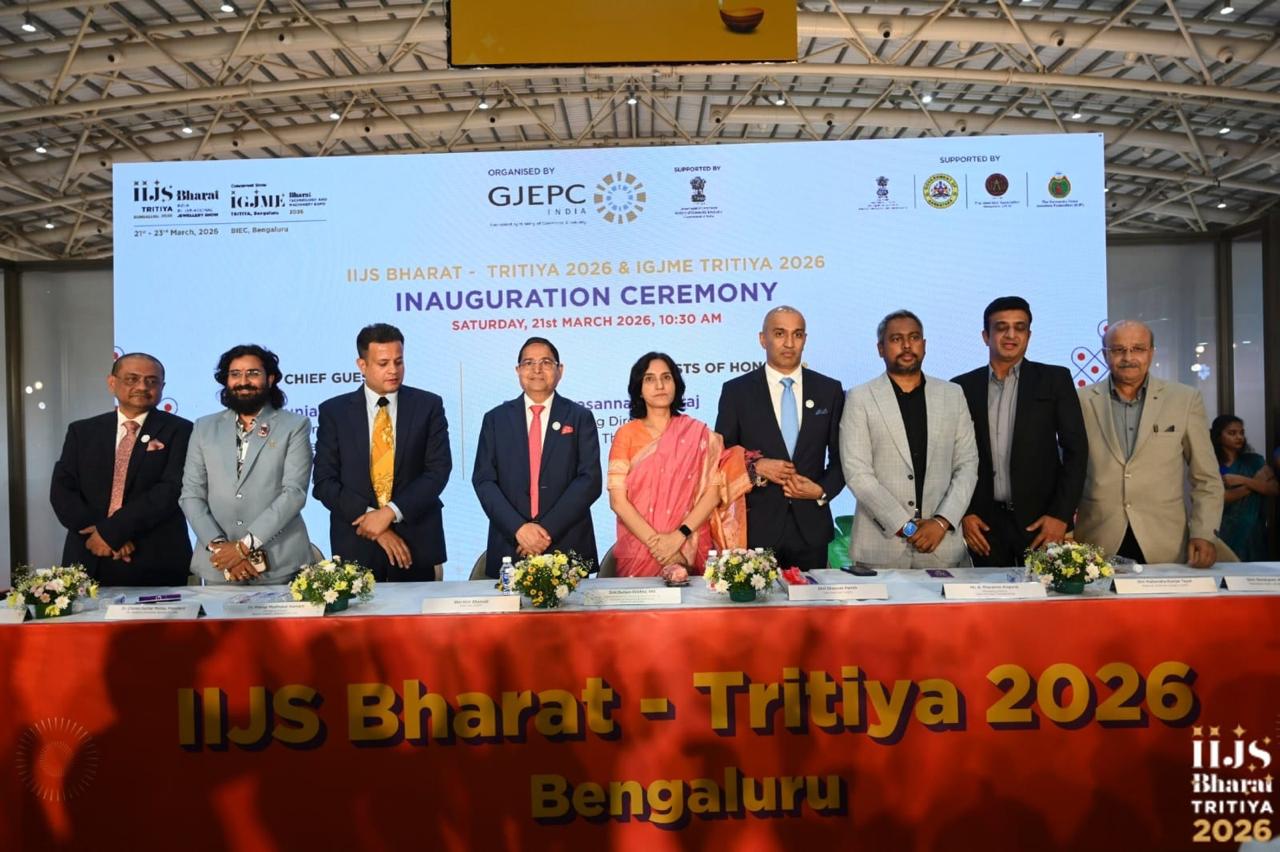
As IIJS Bharat Tritaya 2026 drew to a close, the final day offered a measured, yet meaningful, conclusion to three days of focused business engagement, industry dialogue, and cautious optimism. While the pace of transactions moderated compared to the opening days, the quality of interactions remained steady, reflecting a market that is attentive, selective, and increasingly strategic.
The overarching sentiment on the closing day was one of consolidation. Buyers, having completed their initial rounds of exploration and procurement, returned to shortlisted exhibitors to finalize orders, negotiate terms, and reinforce relationships. This phase underscored a shift in buying behaviour, less impulsive, more deliberate, driven by evolving consumer demand patterns and the need for tighter inventory management.
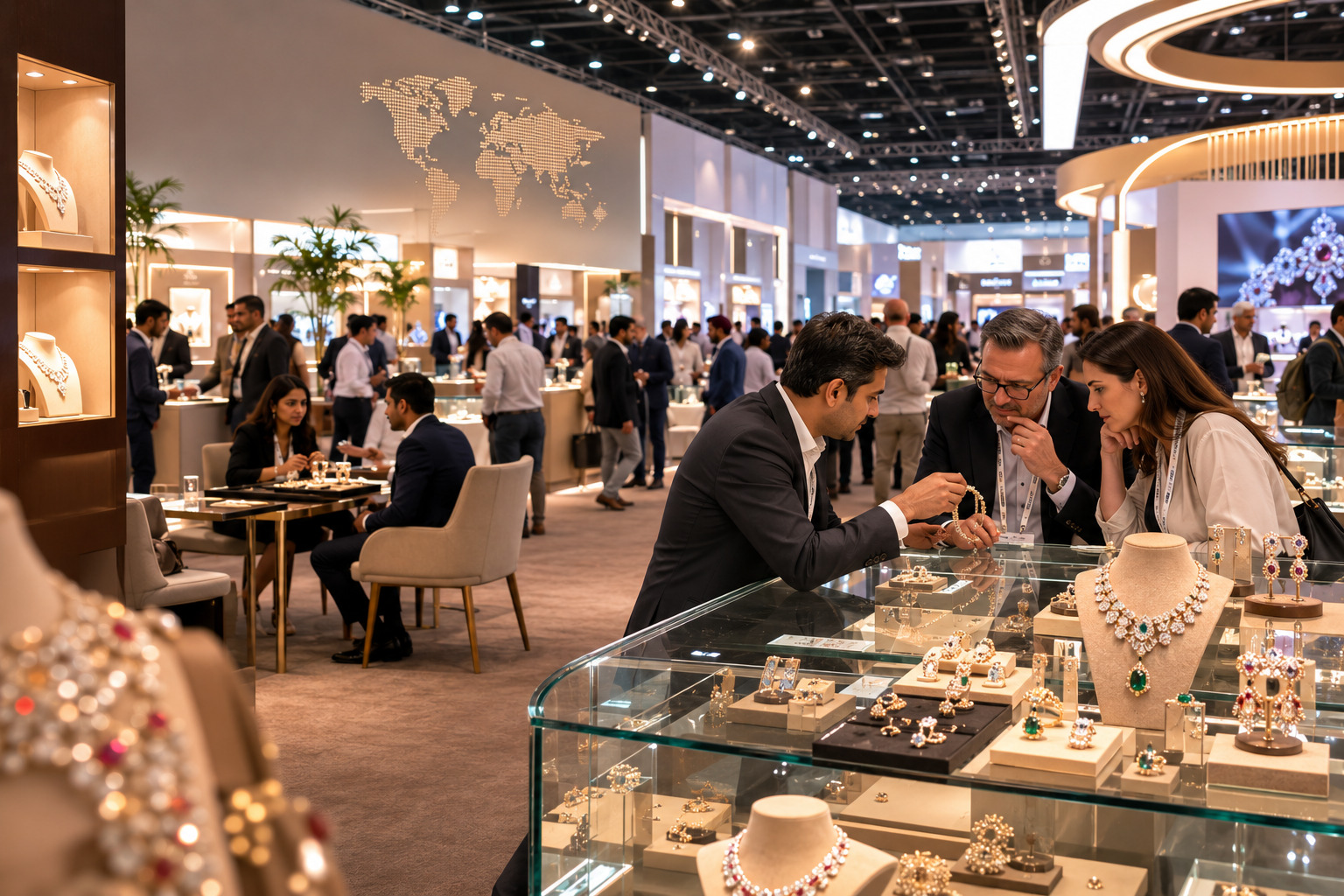
Exhibitors, on their part, said footfalls may have tapered slightly, but serious buyers continued to engage with clear intent. Many participants noted that this edition of the show was less about volume-driven business and more about meaningful conversions. In a climate where margins, pricing volatility, and global uncertainties remain key concerns, such focused interactions are increasingly valued.
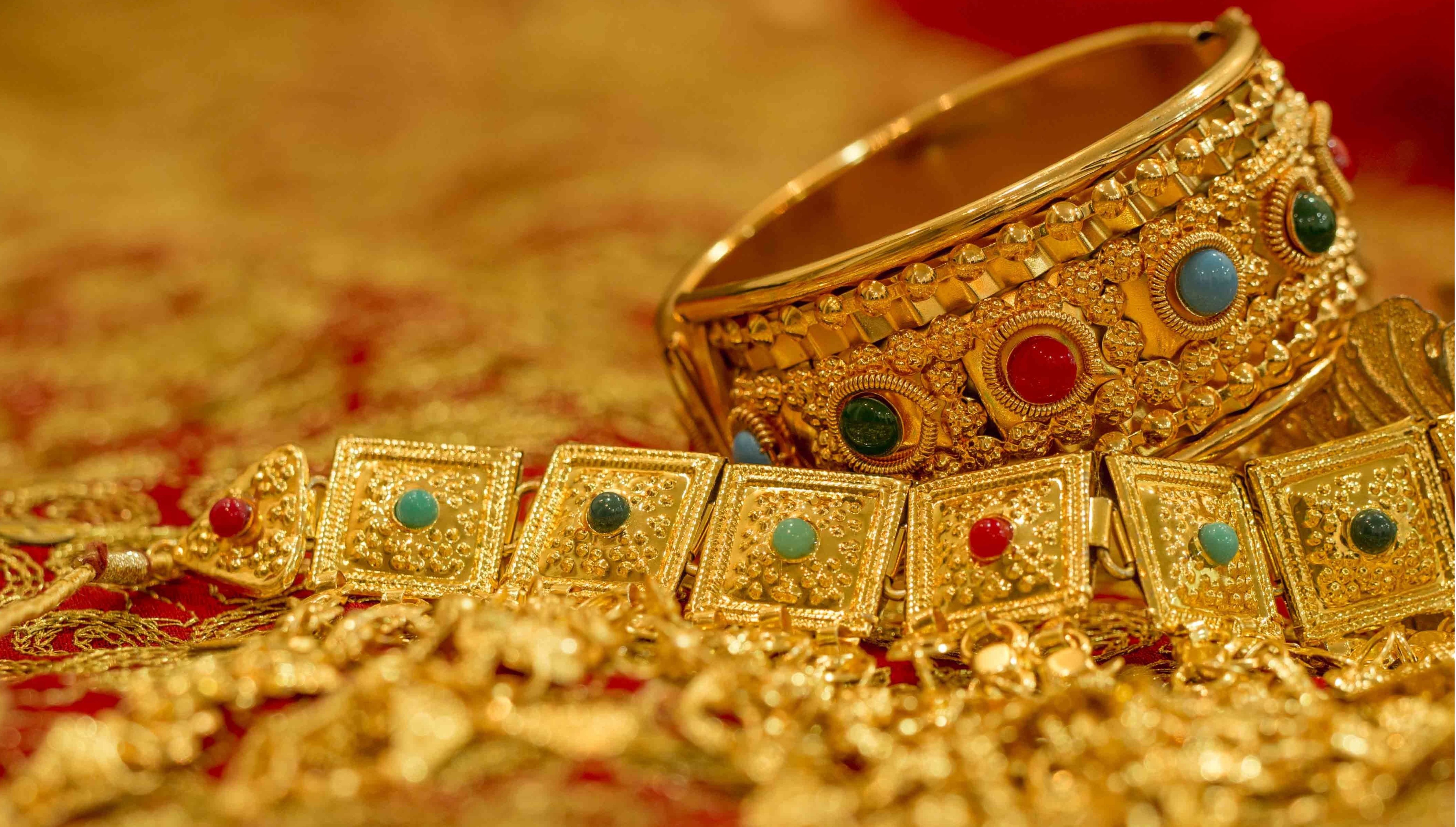
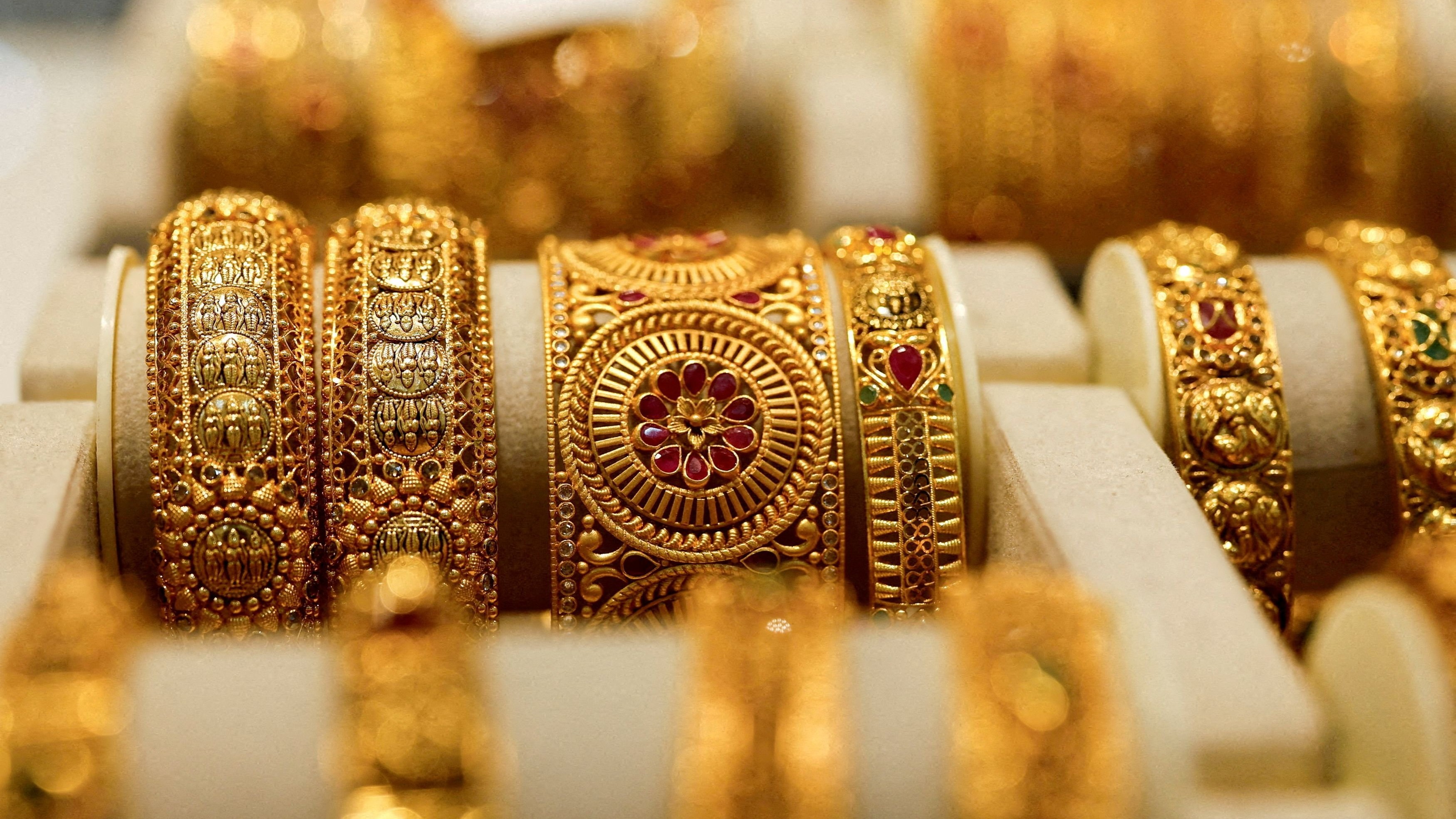
One of the defining aspects of the event was the continued emphasis on design differentiation. Across categories, be it gold, diamond, or lightweight jewellery, there was a visible effort to balance innovation with commercial viability. Retailers showed a clear preference for pieces that offer both aesthetic appeal and price sensitivity, aligning with the current consumer mindset that seeks value without compromising on design.
Another notable trend was the growing importance of adaptability in sourcing and product development. Conversations with manufacturers and retailers highlighted a shared awareness of the need to remain agile in response to fluctuating gold prices, supply chain dynamics, and changing festive demand cycles. However, while the intent to build more resilient strategies is evident, the pace of structural change remains gradual, with retailers choosing to adapt incrementally rather than undertake immediate overhauls.
The diamond segment, in particular, reflected a nuanced outlook. Interest was present, but buying remained cautious, with retailers focusing on fast-moving, accessible price points. There is a clear recognition that consumer demand for diamonds continues to evolve, and retailers are calibrating their inventories accordingly, favouring designs that can bridge aspiration with affordability.
Equally significant was the underlying focus on relationship-building. Beyond transactions, the show served as a platform for dialogue between manufacturers, retailers, and industry bodies. These conversations, often extending beyond immediate business, are indicative of an industry that is increasingly collaborative in addressing shared challenges. The structured layout, improved logistics, and streamlined visitor management were appreciated by participants, reinforcing the show’s position as a key calendar event for the industry.
The closing day of IIJS Bharat Tritaya 2026 signalled a thoughtful conclusion. It reflected an industry that is steady, pragmatic, and quietly recalibrating itself. The emphasis has clearly shifted from aggressive expansion to sustainable growth, from volume to value, and from reactive decisions to informed strategy.





Be the first to comment